
One of my most anticipated novels this summer was The Naturalist’s Daughter by Tea Cooper. Though it was first published in Australia in 2017, this is its first release in the United States.
What initially drew me to this book is its focus on the platypus. In New South Wales, Australia in the early 1800s, Rose helps her father Charles in observing and understanding the platypus, with plans to formally present this information in London. But after Charles is spurred by a platypus, Rose must travel to England alone to present their groundbreaking work. A century later, in 1908, Tamsin is researching aa newly unearthed sketchbook detailing the platypus some decades before knowledge of the animal was accepted. Who made these discoveries, and why were they never acknowledged?
With two mysteries and a lot about the platypus, this is a work of historical fiction unlike any I’ve read before.
Tropes & Narrative Devices:
- Dual timeline (1819-1820; 1908)
- Third-person narration
What I Liked:
- Platypus! I’ve always loved animals and really enjoyed this opportunity to learn more about the platypus and its fascinating history. It’s such an incredible animal that defies our general understanding of mammals; it’s no wonder people were skeptical about it… though they certainly should have listened to Rose in this novel!
- Women in science. Speaking of Rose’s scientific contributions, I loved seeing a young woman taking charge in the study of animals. She was helping her father, already a naturalist himself, but her contributions were invaluable. I loved seeing how knowledgeable and committed she was in her observations of the platypus. This is especially groundbreaking considering she was doing this in the early 1800s when women weren’t thought to belong in science.
- Women’s achievements and earning greater respect. Both Rose and Tamsin face sexism for their work, being barred from participating in areas for which they’re well qualified. It’s infuriating to see them need to fight for any scrap of respect, and worse still when men still don’t give them the respect they deserve. Nonetheless, I love seeing women defy the patriarchy and forge ahead.
- Dual mysteries. Both Rose in 1820 and Tamsin in 1908 are unraveling mysteries. Rose is uncovering shocking secrets about her family, while Tamsin is trying to determine who made these incredible discoveries about the platypus, years before traits were thought to be discovered, and by an unknown woman no less. Readers, of course, know a bit more than Tamsin going in, but there’s more to be revealed.
What Didn’t Work for Me:
- Nothing, I enjoyed all of it!
Final Thoughts
The Naturalist’s Daughter is a captivating work of historical fiction that takes readers on a unique journey. If you’re interested in animals (especially the platypus), women in science, and family mysteries, this is a must-read. This is my first time reading Tea Cooper, and I’m eager to dive into more of her novels soon.
Special thanks to Tea Cooper, Harper Muse, Austenprose PR, and NetGalley for providing me with an ARC of this book!
Get the Book
You can buy The Naturalist’s Daughter here – it’s available as a paperback, ebook, and audiobook.
| The Naturalist’s Daughter by Tea Cooper | |
|---|---|
| Audiobook Narrator | Corinne Davies |
| Audience | Adult |
| Genre | Historical Fiction |
| Setting | Australia; England |
| Number of Pages | 368 |
| Format I Read | Ebook; Audiobook (NetGalley ARCs) |
| Original Publication Date | August 20, 2024 |
| Publisher | Harper Muse |
Official Summary
Two fearless women—living a century apart—find themselves entangled in the mystery surrounding the biggest scientific controversy of the nineteenth century: the classification of the platypus.
1808 Agnes Banks, NSW
Rose Winton wants nothing more than to work with her father, eminent naturalist Charles Winton, on his groundbreaking study of the platypus. Not only does she love him with all her heart but the discoveries they have made could turn the scientific world on its head. When Charles is unable to make the long sea journey to present his findings to the prestigious Royal Society in England, Rose must venture forth in his stead. What she discovers will forever alter the course of scientific history.
1908 Sydney, NSW
Tamsin Alleyn has been given a mission: travel to the Hunter Valley and retrieve an old sketchbook of debatable value, gifted to the Public Library by a recluse. But when she gets there, she finds there is more to the book than meets the eye, and more than one interested party. Shaw Everdene, a young antiquarian bookseller and lawyer, seems to have his own agenda when it comes to the book. Determined to uncover the book’s true origin, Tamsin agrees to join forces with him.
The deeper they delve, the more intricate the mystery of the book’s authorship becomes. As the lives of two women a century apart converge, discoveries emerge from the past with far-reaching consequences in this riveting tale of courage and discovery.
About the Author
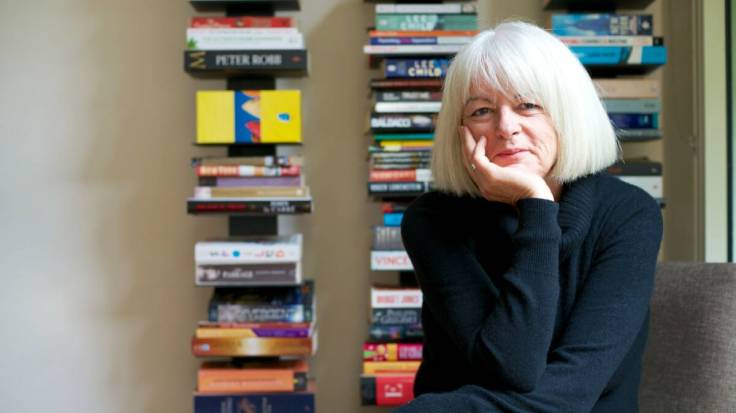
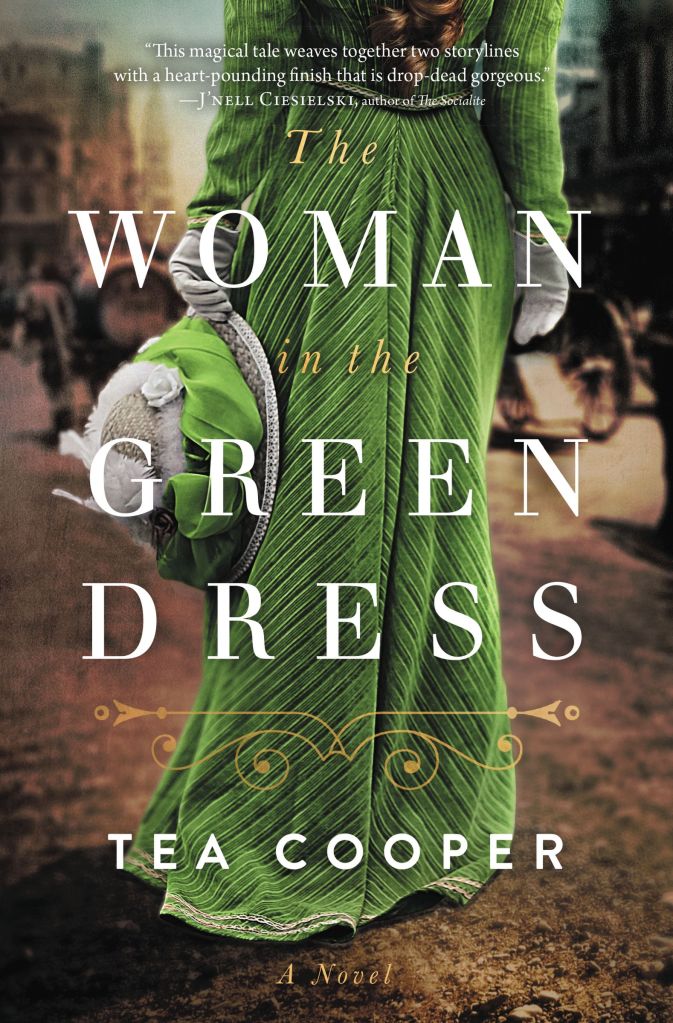
Tea Cooper is an established Australian author of historical fiction. In a past life, she was a teacher, a journalist, and a farmer. These days she haunts museums and indulges her passion for storytelling. She is the internationally bestselling author of several novels, including The Naturalist’s Daughter; the USA TODAY bestselling The Woman in the Green Dress; The Girl in the Painting, The Cartographer’s Secret, winner of the prestigious Daphne du Maurier Award; and The Fossil Hunter.
More Books by Tea Cooper


More Books Like This

The Daughter of Doctor Moreau
Silvia Moreno-Garcia is officially an auto-buy author for me. Since my introduction to her with Gods of Jade and Shadow in 2019, I’ve read three…

The Lighthouse Keeper’s Daughter
It’s been more than five years since I read my first Hazel Gaynor book. In summer 2016, I loved The Girl From the Savoy, and…
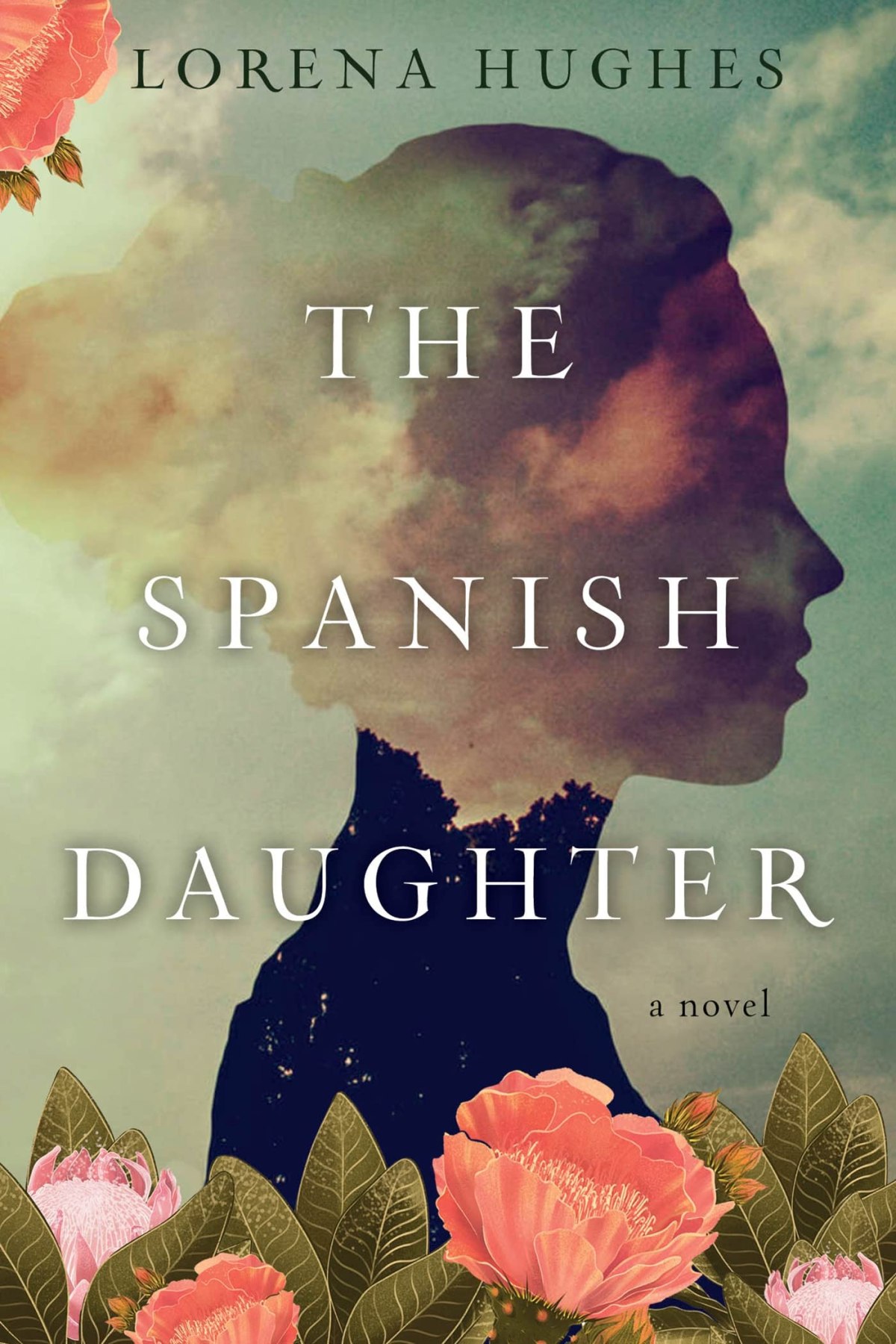
The Spanish Daughter
Last month, I was thrilled to win an ARC of The Spanish Daughter by Lorena Hughes. It was already one of my most anticipated books…
Discover more from Amanda's Book Corner
Subscribe to get the latest posts sent to your email.


 Amanda's Book Corner
Footnotes