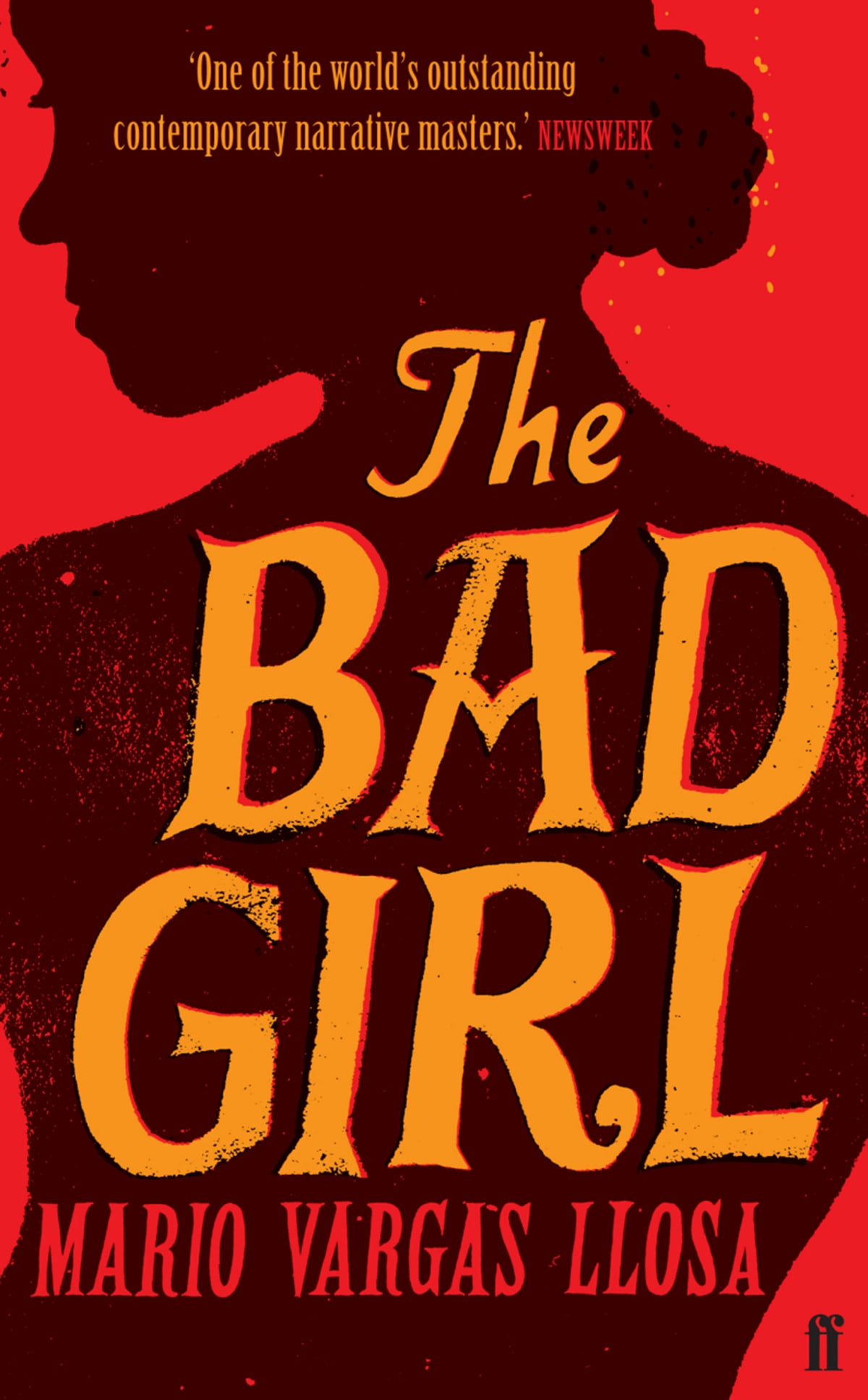
I’m always looking for books by Peruvian authors and set in Peru. My husband is originally from Lima, and I lived with him there for about one year. Peru’s most famous author is Mario Vargas Llosa, a Nobel Prize winner with decades of beloved novels to his name. For my first foray into his work, my husband chose for me The Bad Girl, set between Peru and France, England, Japan, Egypt, and Spain.
| The Bad Girl by Mario Vargas Llosa | |
|---|---|
| Translator | Edith Grossman |
| Audience | Adult |
| Genre | Historical Fiction; Literary Fiction |
| Setting | Peru; France; England; Japan; Egypt; Spain |
| Number of Pages | 403 |
| Format I Read | Paperback |
| Original Publication Date | October 15, 2007 (English translation) |
Official Summary
A New York TimesNotable Book of 2007
From Nobel Prize-winning author Mario Vargas Llosa comes The Bad Girl, a “…splendid, suspenseful, and irresistible [novel]. . . A contemporary love story that explores the mores of the urban 1960s–and 70s and 80s.”–The New York Times Book Review
Ricardo Somocurcio is in love with a bad girl. He loves her as a teenager known as “Lily” in Lima in 1950, when she flits into his life one summer and disappears again without explanation. He loves her still when she reappears as a revolutionary in 1960s Paris, then later as Mrs. Richardson, the wife of a wealthy Englishman, and again as the mistress of a sinister Japanese businessman in Tokyo. However poorly she treats him, he is doomed to worship her. Charting Ricardo’s expatriate life through his romances with this shape-shifting woman, Vargas Llosa has created a beguiling, epic romance about the life-altering power of obsession.
Review
The Bad Girl is a fun but complex, character-driven novel that spans continents and decades. It starts in the 1950s in Lima, Peru, where our main character Ricardo meets the titular love interest, who goes by the name Lily. She’s supposedly from Chile, but this is only the first in her long list of lies and deceits. Years later, Ricardo has achieved his dream of living in Paris, France, where he works as a translator. The bad girl reemerges in his life, this time going by the name Comrade Arlette. She’s working on behalf of a Cuban revolutionary group, but not for her own political beliefs; she simply needed a way out of Peru. From here, Ricardo gets sucked into her orbit again and again over the years, always meeting her under new identities and needing to help her out of riskier situations.
True to the title, the “bad girl,” whatever her real name is, is always getting herself into dangerous situations, always lying, and always using Ricardo for some scheme or escape route. From the white lies of her youth to the international scams she finds herself embroiled in, she’s not someone who’s reliable or safe. She hides a lot, and it may not be possible for her to ever be vulnerable or honest with anyone. In contrast, Ricardo is dubbed the “good boy,” and he’s someone the bad girl can always turn to. Is he just a devoted friend? Blinded by his love for her? Unhealthily obsessed? As the years go on, their strange co-dependence is tested and evolves in surprising ways.
One thing I love about this novel is how the author describes settings. From the streets of Miraflores (where I briefly lived) to the cityscape of Paris, he makes the reader feel like they’re walking alongside Ricardo to each park, restaurant, and theater. It’s immersive, and given how international the book ends up being, we get to travel far and wide from the first chapter to the last.
The writing is also very cultured and intelligent. It’s not pretentious; the narrator (or author!) is just clearly well-traveled, well-read, and pays attention to the world around him. From politics to the arts, this novel is bolstered by references to and commentary on the richness of this world. It roots the novel in time and place and makes it feel more alive.
While most of The Bad Girl is written in a light and fun style, it does introduce increasingly heavy themes as the story progresses. Be ready for some harsh topics like abuse, death, mental health issues, suicide, and illness. It may inspire some tears, but overall the book retains a certain levity that keeps the momentum going.
The only thing I didn’t like was the very last chapter. There are also some descriptors and language choices I would change. These might come down to cultural differences and too literal translations.
Final Thoughts
The Bad Girl is an engrossing novel with compelling characters who will surprise you as the story progresses. I loved it and am so happy to have read Peru’s Nobel Prize winning author! I look forward to reading more from Mario Vargas Llosa; next on my list are currently The Dream of the Celt, The Storyteller, and Death in the Andes.
About the Author

Credit: Gonzalo Arroyo Moreno
Jorge Mario Pedro Vargas Llosa, 1st Marquess of Vargas Llosa, more commonly known as Mario Vargas Llosa, was a Peruvian novelist, journalist, essayist, and politician. Vargas Llosa was one of the Spanish language and Latin America’s most significant novelists and essayists and one of the leading writers of his generation. Some critics consider him to have had a more substantial international impact and worldwide audience than any other writer of the Latin American Boom. In 2010, he won the Nobel Prize in Literature “for his cartography of structures of power and his trenchant images of the individual’s resistance, revolt, and defeat”.
More Books by Mario Vargas Llosa
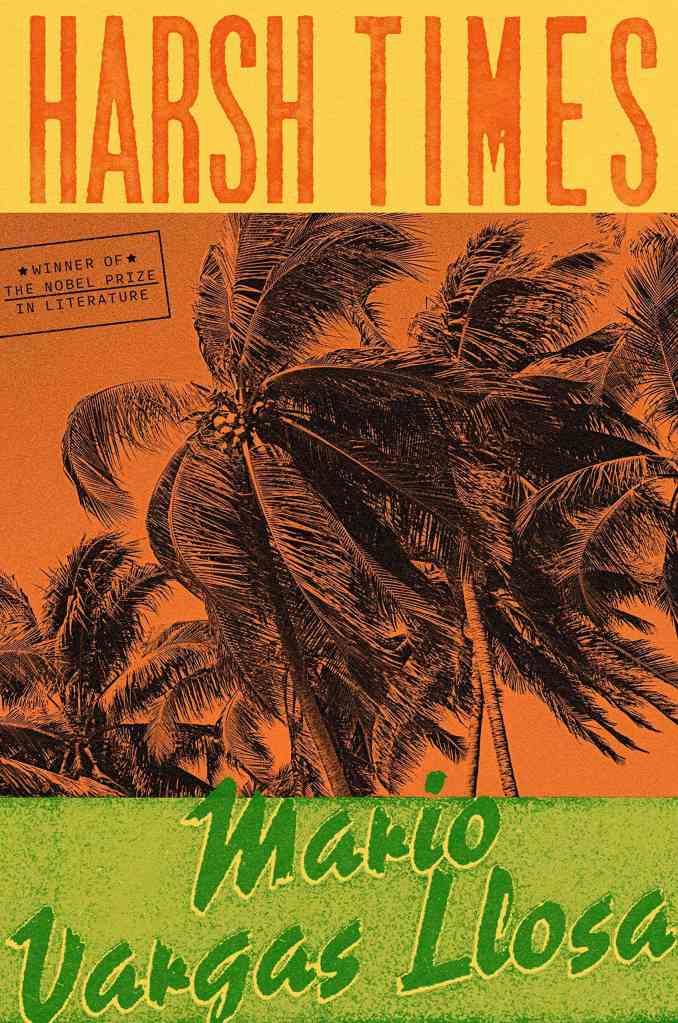
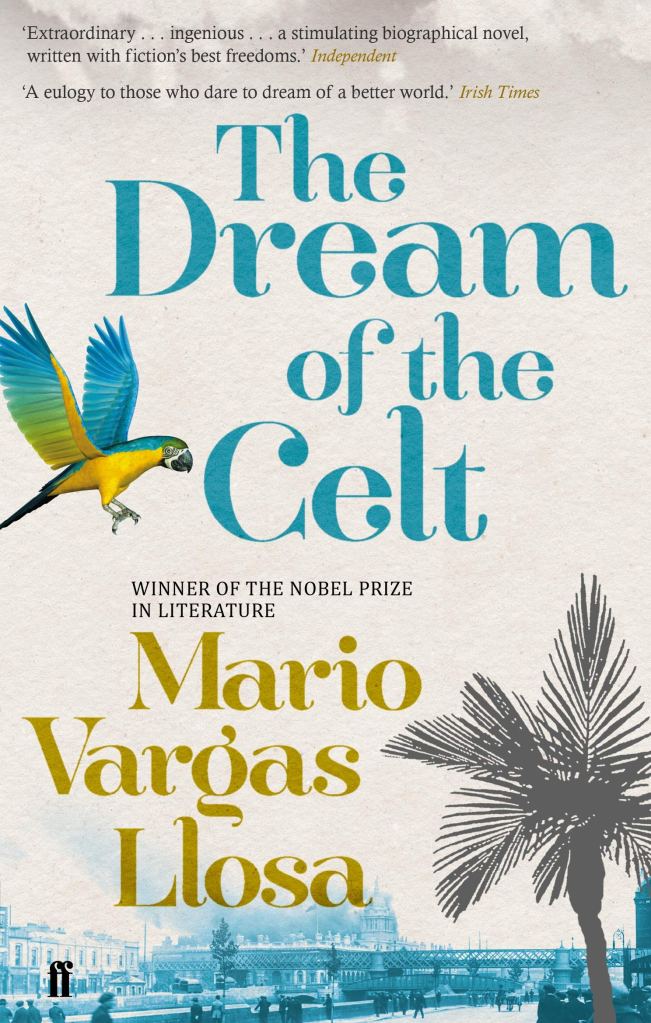
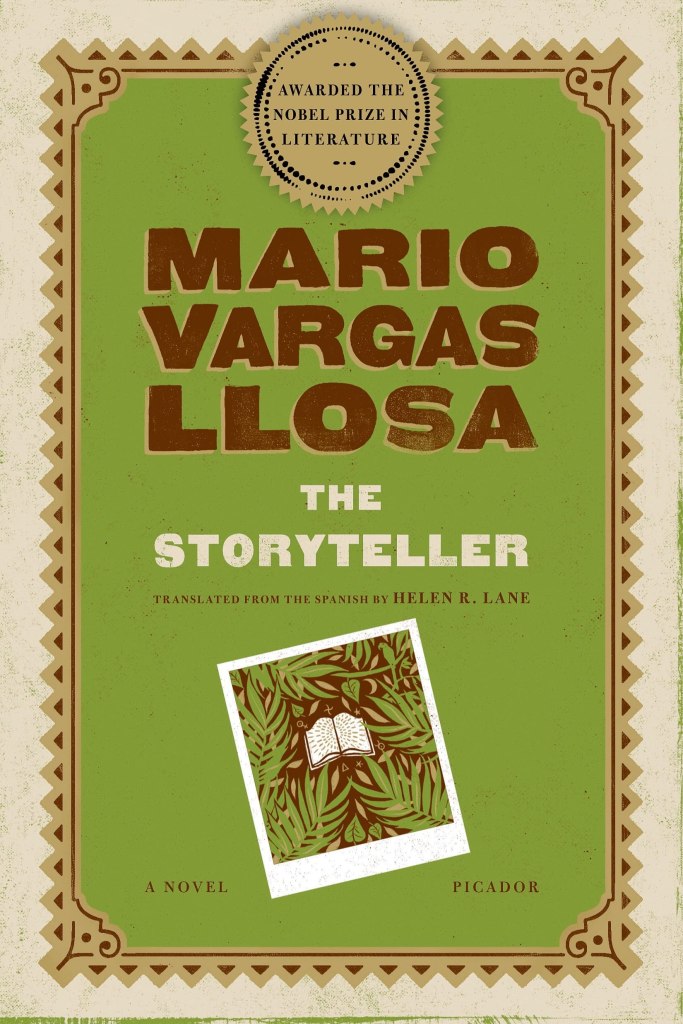
More Books Set in Peru
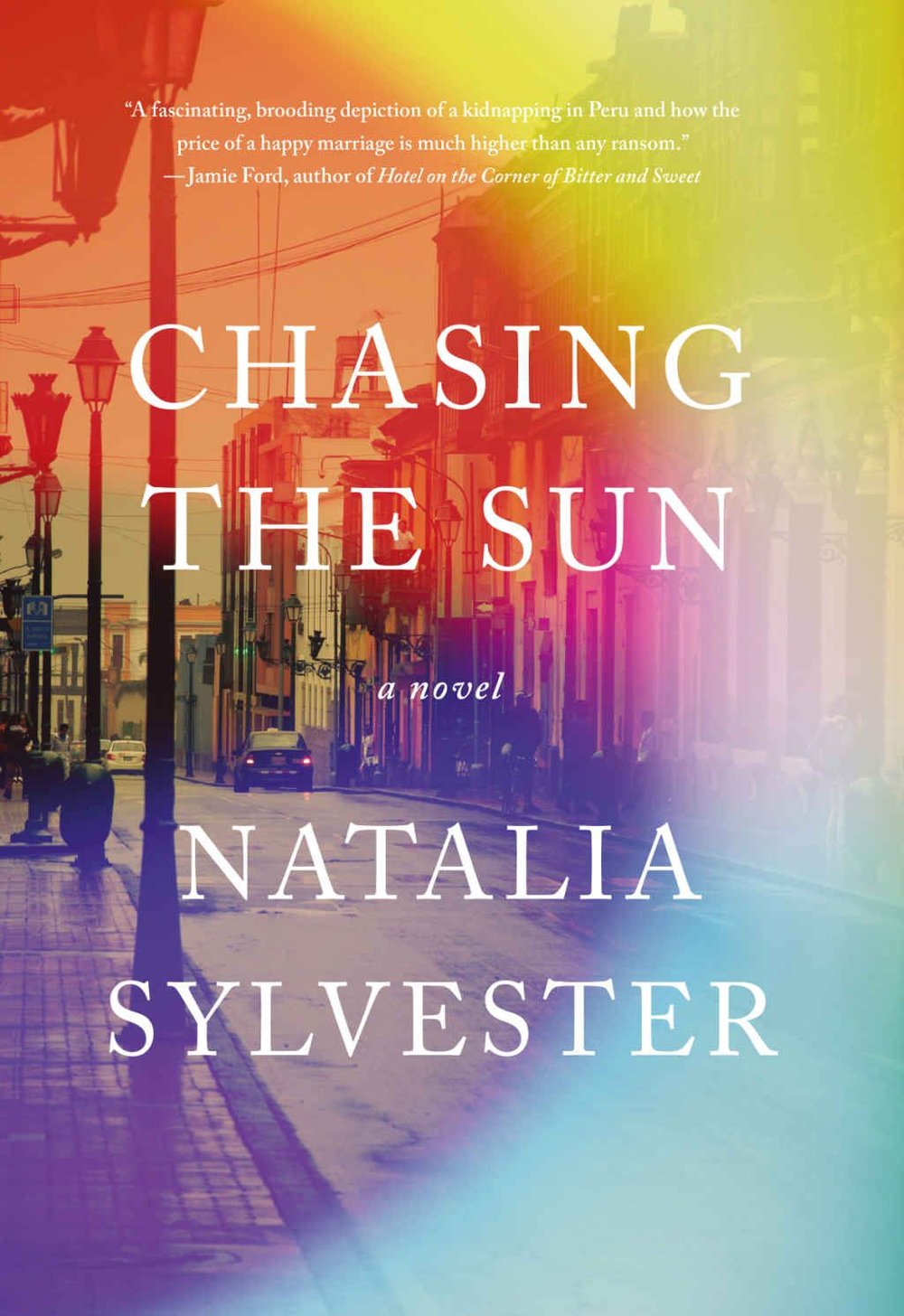
Chasing the Sun
Six years ago, I was living in Lima, Peru with my fiancé (now husband). He’s Peruvian, and in addition to spending nearly a year living…
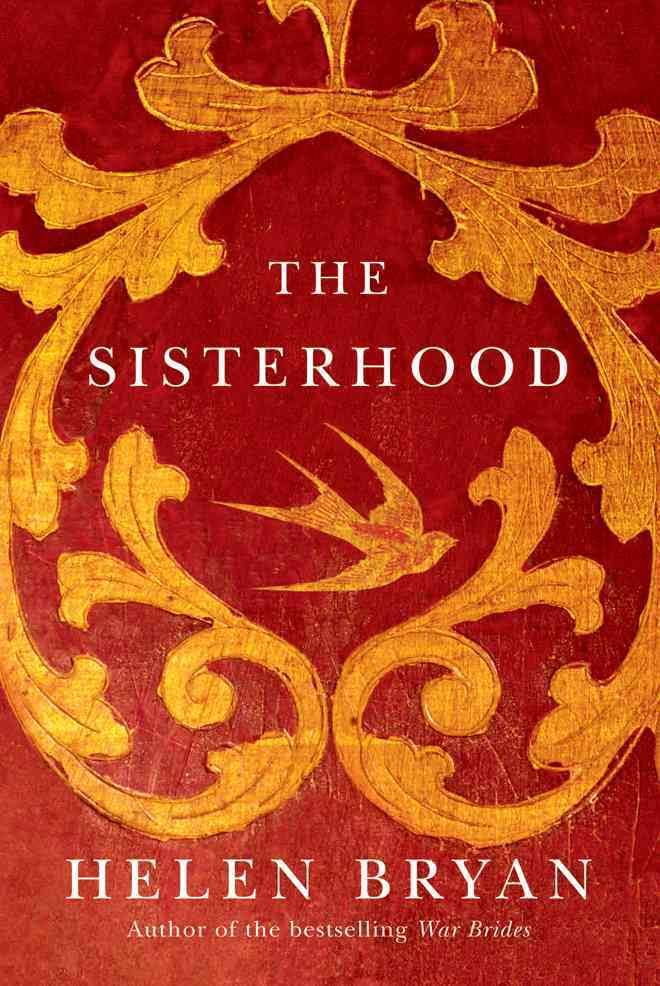
The Sisterhood
For my birthday this year, my lovely sister got me three books. The first one I decided to read was The Sisterhood by Helen Bryan.…

American Chica
Last summer my husband and I got married. We’ve been together for three years, and we’ve been getting to know more about each other’s cultures.…
Discover more from Amanda's Book Corner
Subscribe to get the latest posts sent to your email.


 Amanda's Book Corner
Footnotes