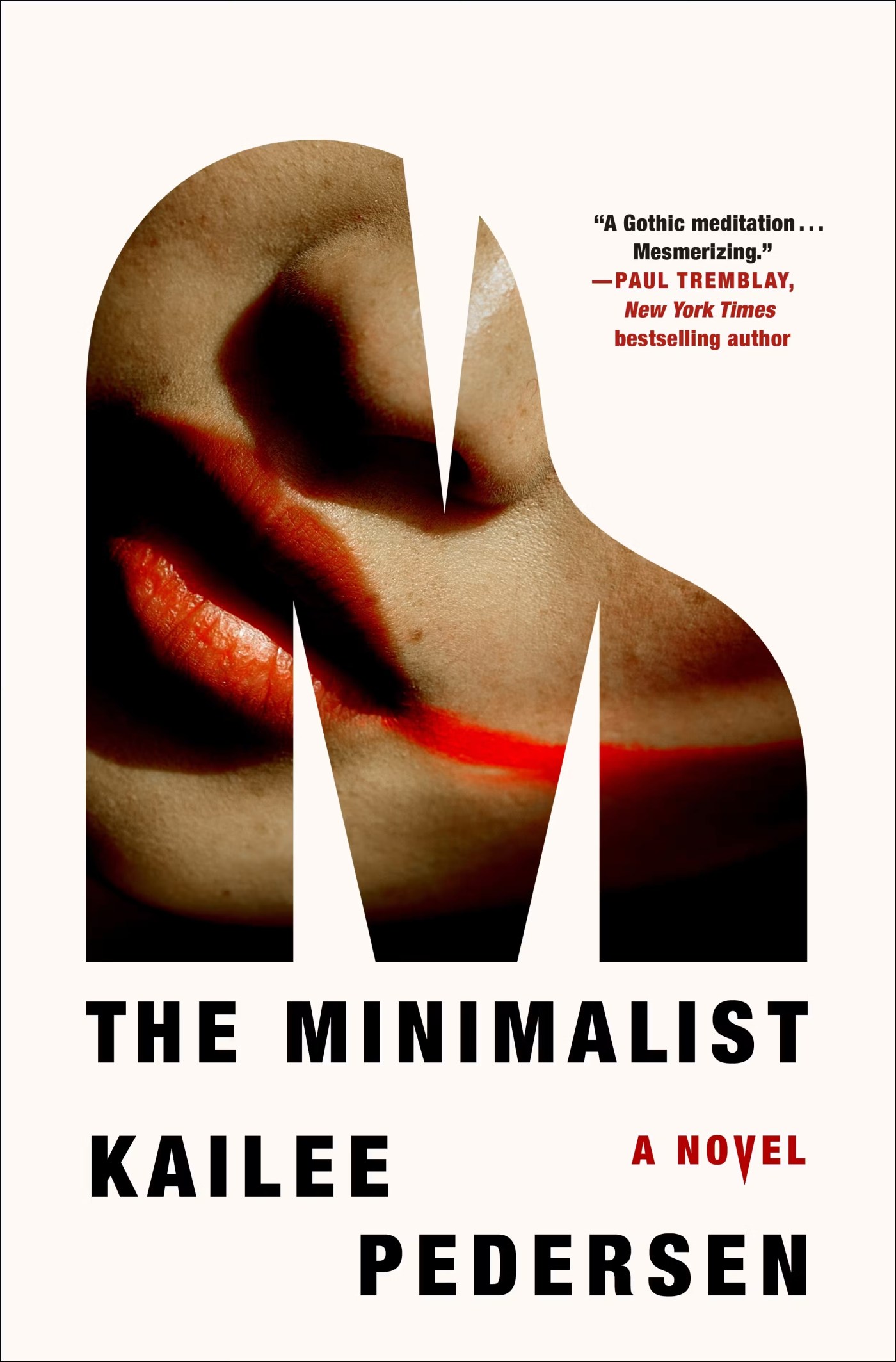
This week sees the release of Kailee Pedersen‘s sophomore novel, The Minimalist. Mia Voss is a composer, long mentored by the brilliant but harsh Ryder Wakefield. But then Ryder’s son Oliver (also Mia’s former boyfriend) dies by suicide; Ryder passes away not long after, leaving Mia to finish his final orchestra composition, titled Death Fugue. Grieving, possibly hallucinating, and descending further into self-harm and hatred, finishing Death Fugue personifies sacrifice and suffering in the name of art.
What I Liked:
- Unflinching examination of grief and mental health. The Minimalist is driven by back-to-back deaths, first of Oliver, and then of his adoptive father, Ryder. One was an unexpected suicide; the other was the result of age and illness. Both leave Mia reeling and revisiting the many memories that made up her life with these two men. There’s sadness and rage, disbelief and blame, bitterness and mourning. Mia’s mental health seems to take a hit here, too, though it’s evident she’s battled a lot throughout her life. It leaves one question: Is she being haunted in some literal way, or is it simply that her mind is losing track of reality?
- Darker themes. This is where my biggest content warnings would come from. Mia has spent a long time intentionally injuring herself in various ways, and we get a painful front-row seat to this self-harm in The Minimalist. Cutting herself, smashing her fingers, yanking out a tooth, frequently purging whatever she’s eaten… it’s a lot to witness. There’s also her suicidal ideation, eerily parallel to Oliver’s recent death by the same means. Indeed, in these aspects, this may be one of the hardest books I’ve ever read.
- Living inside her mind and memories. This entire novel plays like a stream-of-consciousness descent into Mia’s past. There’s very little that is linear about the narrative: Mia in the present is grieving Oliver and Ryder and working on Death Fugue. But we’re repeatedly pulled into various past points throughout her life, with little regard for chronology and only marginally more regard for theme. We see snapshots of Mia’s childhood, teen years, young adulthood. We see her mentor-mentee relationship with Ryder, her brief romance with Oliver, her strained relationship with her adoptive mother and step-father, and more. In her mind, it surely all makes sense, but for readers, it feels like being thrown into the deep end of someone else’s full life.
- Identity. This novel looks at various forms of minority identities, assimilating or feeling like an outsider, and what it means to be who you are. Both Oliver and Mia are Asian adoptees raised by white parents. Mia is bisexual. Ryder is a gay Jewish man. All of these forms of identity are questioned, rejected, or embraced. Then there’s bigotry each faces, sexism within the music industry, pressures to conform or hide. Mia’s and Ryder’s perspectives are especially compelling.
- Submersion in music. In my opinion, books about music need to really speak the musical language. The Minimalist does exactly that. In the realms of modern classical and orchestral composition, the characters live and breathe music, and though they can be pretentious about it, they have a clear love for and knowledge of what they do. I haven’t been this immersed in technical music language since I took a class on Music History when I was an undergrad; I absolutely loved seeing those terms employed here.
- The writing style mirrors the minimalism of the characters’ compositions. Ryder and Mia each offer vivid descriptions of what minimalism means in music. I’ll need to hunt down the exact quotes, but essentially, minimalist music is defined by repetitions, looping themes, and very gradual change. Like the music the characters here compose, the novel itself feels like an exercise in literary minimalism. Mia is stuck on the same themes, on recurring issues of identity, self-esteem, self-harm, and devotion to musical craft above all else. It makes for a surreal yet rewarding read.
Audiobook:
Natalie Naudus has narrated so many of my favorite audiobooks, and her voice in The Minimalist is no exception. She captures Mia’s full, complicated personality and the tension running throughout the novel. Her narration makes for an engrossing listen.
Final Thoughts
The Minimalist is a hypnotic, uncomfortable, often disturbing novel that examines the horrors trapped in one woman’s mind. It delves into difficult themes, and many readers would be best advised to look over content warnings before reading it. But it is a contemplative and illuminating novel that, in the right hands, will leave a lasting impression.
Special thanks to St. Martin’s Press, Macmillan Audio, and NetGalley for providing me with an ARC of this book!
Get the Book
You can buy The Minimalist here – it’s available as a hardcover, paperback, ebook, and audiobook.
| The Minimalist by Kailee Pedersen | |
|---|---|
| Audiobook Narrator | Natalie Naudus |
| Audience | Adult |
| Genre | Literary Fiction |
| Number of Pages | 272 |
| Format I Read | Audiobook & Ebook (NetGalley ARCs) |
| Original Publication Date | August 18, 2026 |
| Publisher | St. Martin’s Press |
Official Summary
For fans of Tár and The Piano Teacher, this gruesome and unsettling psychological drama is a darkly lucid portrait of a classical composer’s descent into madness.
As the last and greatest student of famed minimalist composer Ryder Wakefield, Mia Voss has long been assured a rise to prominence in the insular world of classical music. When Ryder dies unexpectedly, she inherits everything–including the unfinished manuscript of his final composition, the mysterious Death Fugue: Music for Orchestra.
Haunted by memories of her tragic romance with Ryder’s late son, Oliver—like Mia, an Asian American adoptee—Mia leaves her girlfriend behind and returns to Ryder’s home to finish his last work. While there to untangle her complex relationship with Ryder, who hid his Jewish and gay identities to become one of the most important twentieth-century American composers, Mia must also contend with her lingering guilt over Oliver’s suicide and her own musical ambition as the manuscript begins to exert a disturbing, mesmerizing hold over her.
Drawn from the author’s own experiences as an adoptee and classical musician, The Minimalist is a harrowing examination of loss, torment, mental illness, self-harm, and artistic disintegration.
About the Author

Credit: Garland Quek
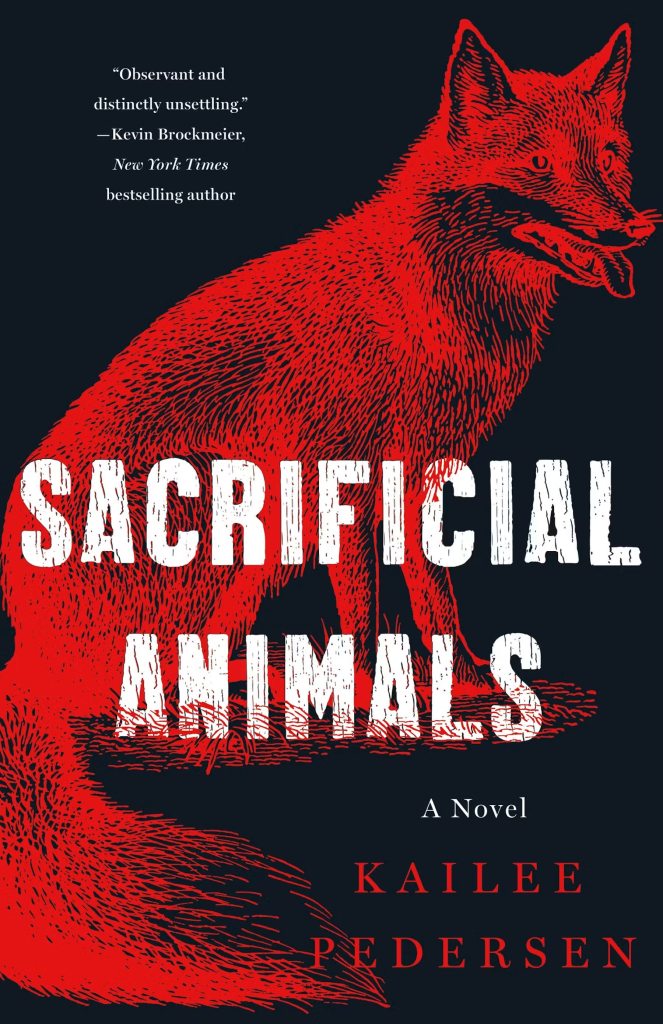
Kailee Pedersen writes haunted, unsettling speculative fiction. She graduated with a BA in classics from Columbia University, specializing in ancient Greek. Kailee was adopted from Nanning, China and grew up in Nebraska, where her family owns a farm. She is the author of the queer poetry chapbook Pastorale and the novel Sacrificial Animals, which was named one of the New York Public Library’s Best Books of 2024 and a finalist for Best Horror at the 2025 Libby Book Awards. When not scribbling down her next book, you can catch her studying opera performance at the Mozarteum University, playing video games, or working as a software engineer in New York City. The Minimalist is her second novel.
More Books by Kailee Pedersen
More Reviews of Books Like This
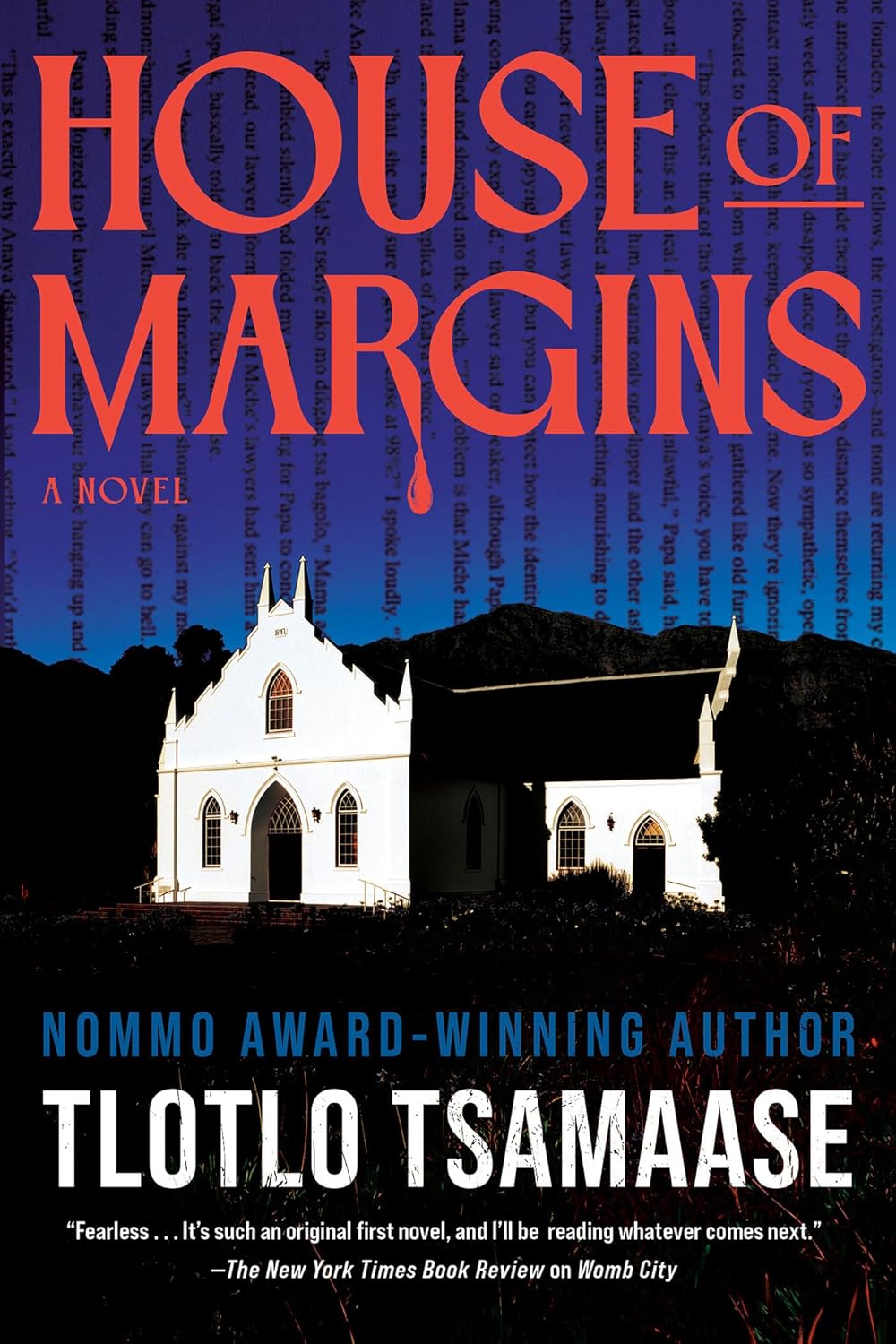
House of Margins
This year I’ve been increasingly drawn to horror novels set around the world, including African horror in particular. House of Margins by Tlotlo Tsamaase piqued…
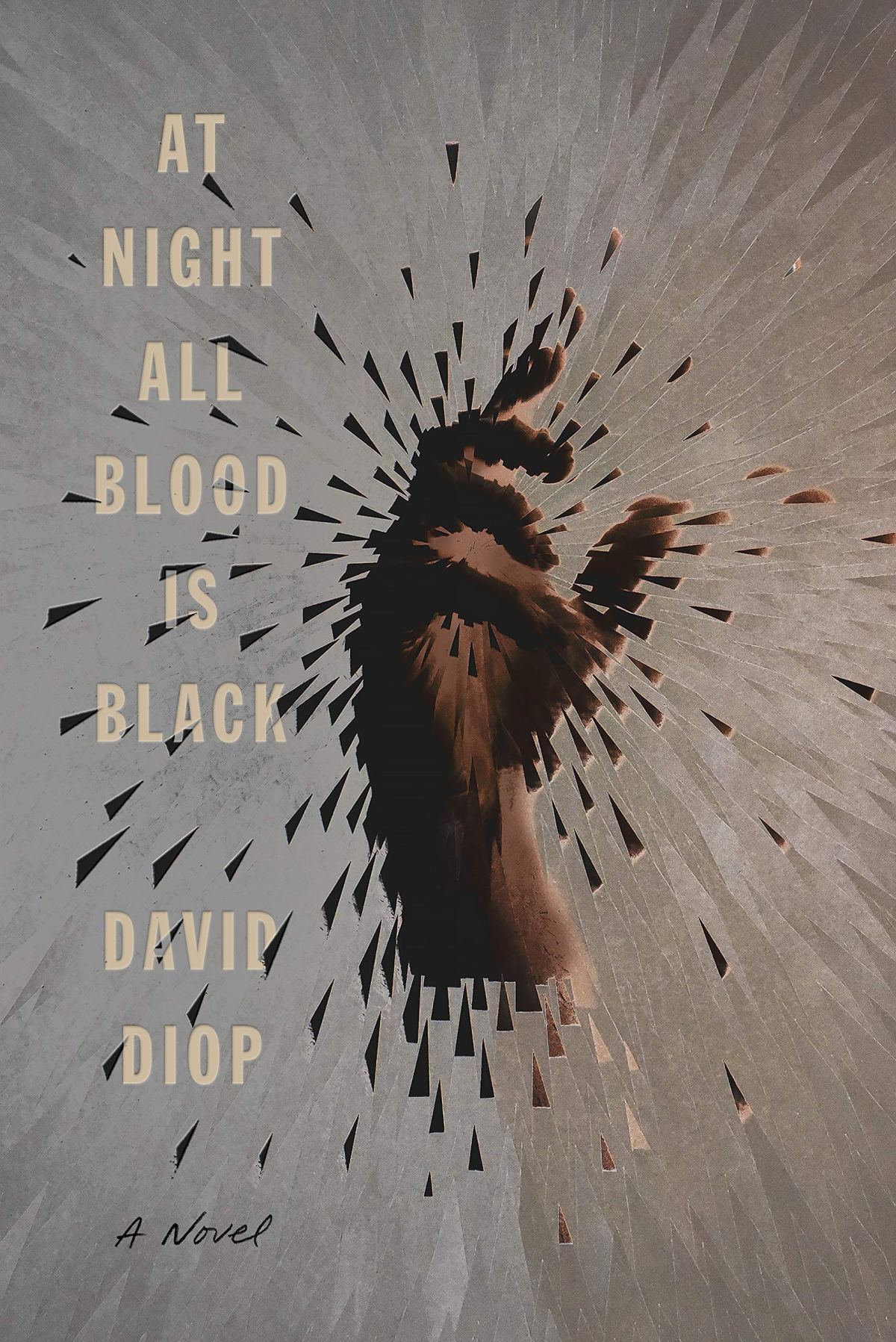
At Night All Blood Is Black
This month’s reading challenge has been to read books in translation. High on my list was At Night All Blood Is Black by David Diop,…
White Horse
It was this time last year when Erika T. Wurth’s debut novel, White Horse, was released. I got a hardcover of it through Book of…
Similar Books on My TBR

Discover more from Amanda's Book Corner
Subscribe to get the latest posts sent to your email.


Footnotes