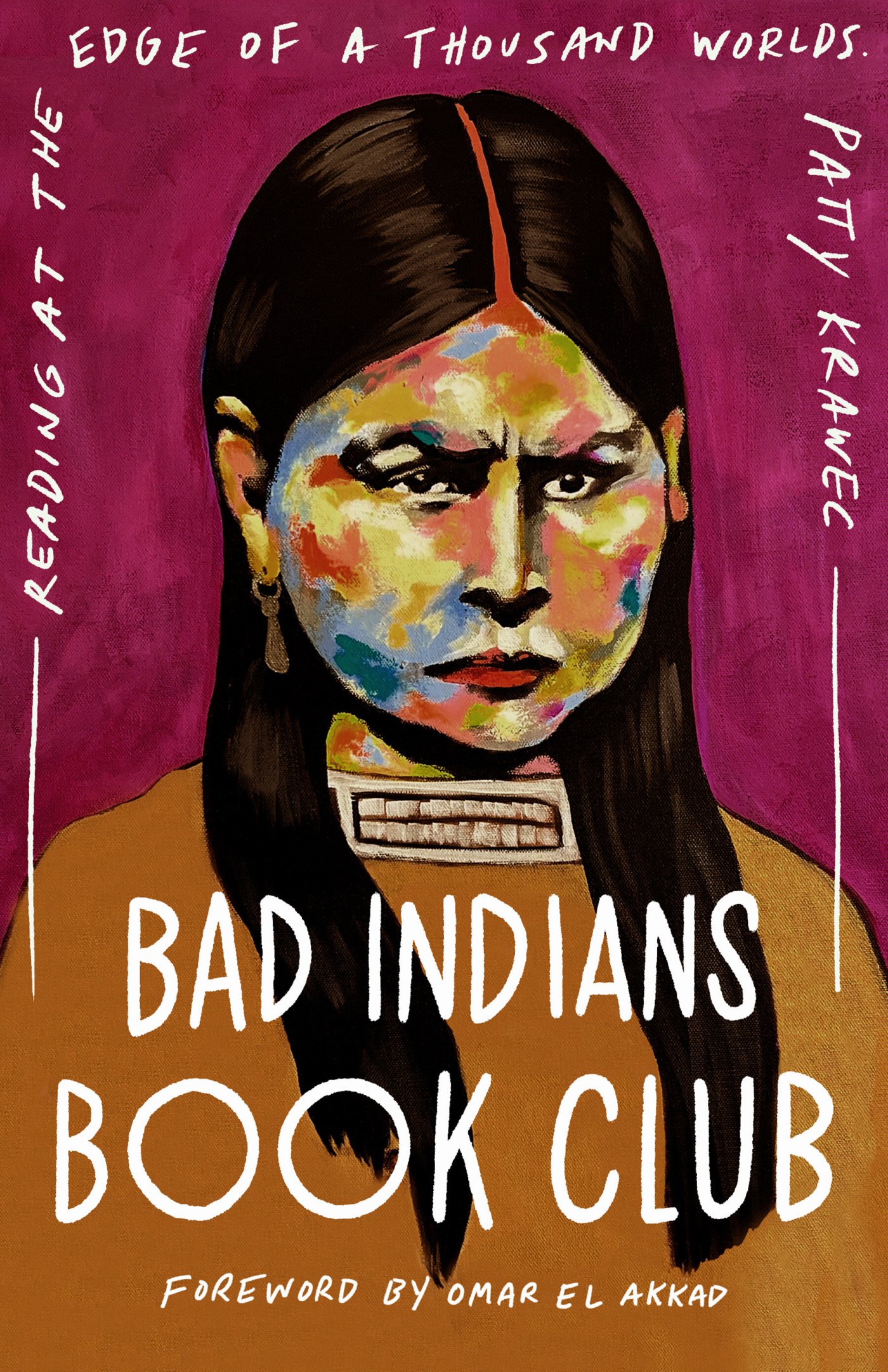
As we enter Native American Heritage Month, now is an auspicious time to learn more about Indigenous history and culture, and what better way than through a book? Indeed, that’s a primary assertion in Patty Krawec’s book, Bad Indians Book Club: Reading at the Edge of a Thousand Worlds. From a book club to a podcast to this published work of nonfiction, Bad Indians Book Club explores the many facets of Indigenous life, and recommends a variety of books that dive into these topics further. From memoirs to essays, from novels to poetry, there’s so much we can glean from Indigenous voices about Native Americans today.
What I Liked:
- Read intentionally. Read radically. The first premise of Bad Indians Book Club is in thinking more about what books we choose to read. As the author declares, we should all read intentionally and radically. This means consciously seeking out stories by authors with identities different from your own. If you’re white, make the choice to read books by authors who are Indigenous, Black, Latine, or Asian. If you’re straight and cisgender, read books by LGBTQIA+ authors—including those who are trans or nonbinary. Basically, radicalize your reading so that you can walk in others’ shoes and better understand them.
- Stories as history, culture, and identity. Building off the above, Patty Krawec frames this book about all we can learn from what we read. Regardless of genre or form—flash fiction or full novels, nonfiction tomes or essays, memoirs or poems—books are a window into history, culture, people, language, healing, and so much more. Nonfiction may give us the facts and dates, but fiction brings these ideas to life in a way that can be more deeply impactful. Indigenous peoples have so much to share, and reading their books is one valuable way to receive it. One note: Not all writing is for everyone, and some writing will only be understood to the full extent by certain people. That’s okay. Read widely anyway.
- Flash fiction between chapters. This was an unexpected inclusion, but I appreciated it. Between the chapters discussing different themes, the author includes brief interludes following Kwe, a Native woman, as she journeys across time and space. Her short stories mirror the larger themes, and they give a glimpse into the kind of storytelling that’s often utilized in Native American writing.
- Don’t be a good Indian; be a bad Indian. By this, the author means rejecting the roles that white colonizers have set out for Indigenous peoples. Native Americans are not here to make white people more comfortable or safe; they deserve to live on their own terms and by their own truths. Being bad may be the only way to be honest and authentic.
Audiobook:
Patty Krawec narrates Bad Indians Book Club herself, which is an added treat for those listening. Her passion and breadth of knowledge both come through in her narration, making for a rewarding listening experience. The only downside of listening to this as an audiobook is that it can be harder to note down the many books and authors she references. Even so, it’s easy enough to follow along.
Final Thoughts
Bad Indians Book Club: Reading at the Edge of a Thousand Worlds is a powerful, albeit short, introduction to Native American writings, and it offers so many entry points into other books, articles, and more. Anyone reading will come away with a greater appreciation for reading overall, and with a long list of reading material to get started. And as Patty Krawec reiterates, read intentionally, read radically, and always carry a book.
Special thanks to Tantor Media and NetGalley for providing me with an ARC of this book!
Get the Book
You can buy Bad Indians Book Club here – it’s available as a hardcover, paperback, ebook, and audiobook.
| Bad Indians Book Club by Patty Krawec | |
|---|---|
| Audiobook Narrator | Patty Krawec |
| Audience | Adult |
| Genre | Nonfiction |
| Number of Pages | 232 |
| Format I Read | Audiobook (NetGalley ARC) |
| Original Publication Date | January 20, 2026 (Audiobook) |
| Publisher | Broadleaf Books |
Official Summary
“A fascinating advanced seminar about how to think, read, think about reading, and think about Indigenous lives.” —Booklist, starred review
In this powerful reframing of the stories that make us, Anishinaabe writer Patty Krawec leads us into the borderlands of history, science, memoir, and fiction to ask: What worlds do books written by marginalized people describe and invite us to inhabit?
When a friend asked what books could help them understand Indigenous lives, Patty Krawec, author of Becoming Kin, gave them a list. This list became a book club and then a podcast about a year of Indigenous reading, and then this book. The writers in Bad Indians Book Club refuse to let dominant stories displace their own and resist the way wemitigoozhiwag–European settlers–craft the prevailing narrative and decide who they are.
In Bad Indians Book Club, we examine works about history, science, and gender as well as fiction, all written from the perspective of “Bad Indians”–marginalized writers whose refusal to comply with dominant narratives opens up new worlds. Interlacing chapters with short stories about Deer Woman, who is on her own journey to decide who she is, Krawec leads us into a place of wisdom and medicine where the stories of marginalized writers help us imagine other ways of seeing the world. As Krawec did for her friend, she recommends a list of books to fill in the gaps on our own bookshelves and in our understanding.
Becoming Kin, which novelist Omar El Akkad called a “searing spear of light,” led readers to talk back to the histories they had received. Now, in Bad Indians Book Club comes a potent challenge to all the stories settler colonialism tells–stories that erase and appropriate, deny and deflect. Following Deer Woman, who is shaped by the profuse artistry of Krawec, we enter the multiple worlds Indigenous and other subaltern stories create. Together we venture to the edges of worlds waiting to be born.
About the Author
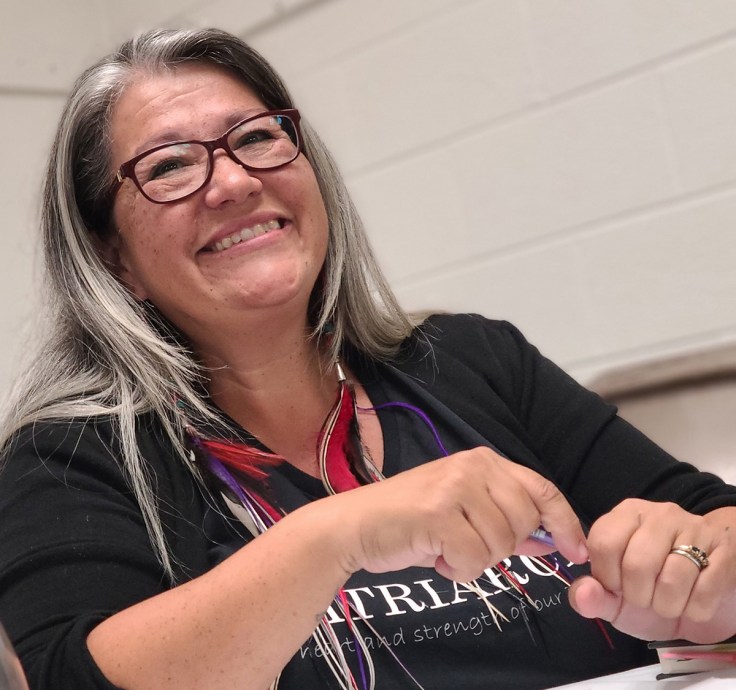
Credit: Haley Bateman
bio here.
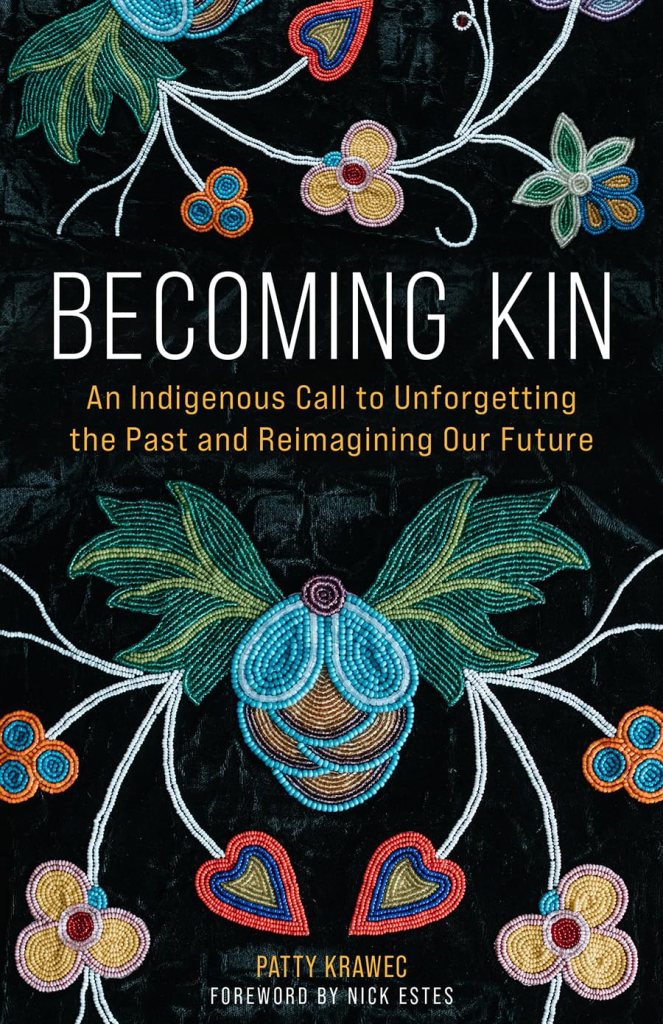
More Books by Patty Krawec
More Reviews of Books Like This

Four Hundred Souls: A Community History of African America, 1619–2019
Two years ago, I loved Ibram X. Kendi’s book, How to Be an Antiracist, and I’ve been eager to read more from him. Along with…

Conditional Citizens: On Belonging in America
I’ve been eagerly waiting for Conditional Citizens: On Belonging in America by Laila Lalami for over a year. Since I first heard about it early…
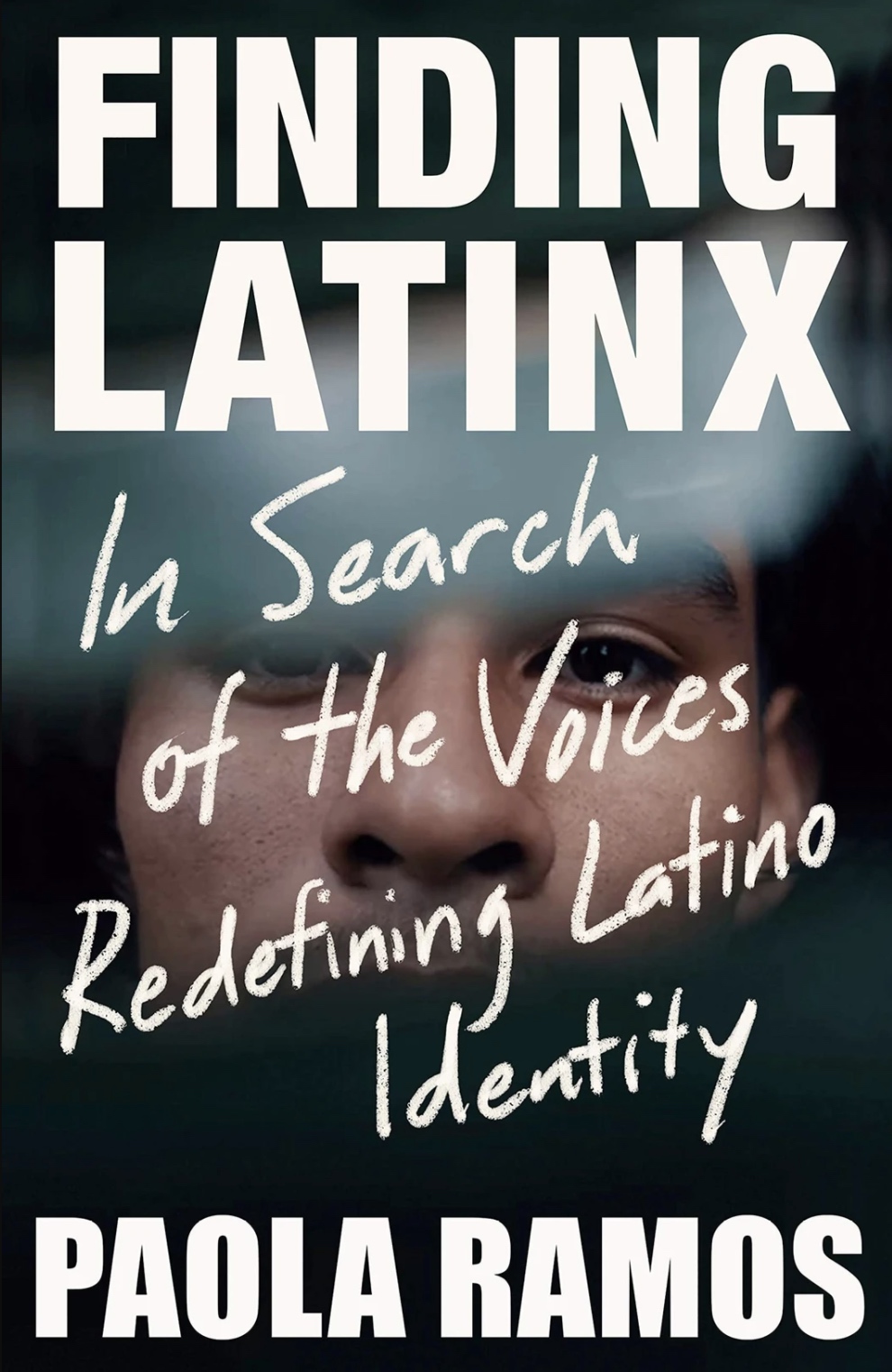
Finding Latinx: In Search of the Voices Redefining Latino Identity
In the past couple of years, I’ve had a growing interest in reading more nonfiction about identity, especially related to racial diversity and immigration. This…
Similar Books on My TBR

Discover more from Amanda's Book Corner
Subscribe to get the latest posts sent to your email.


Footnotes