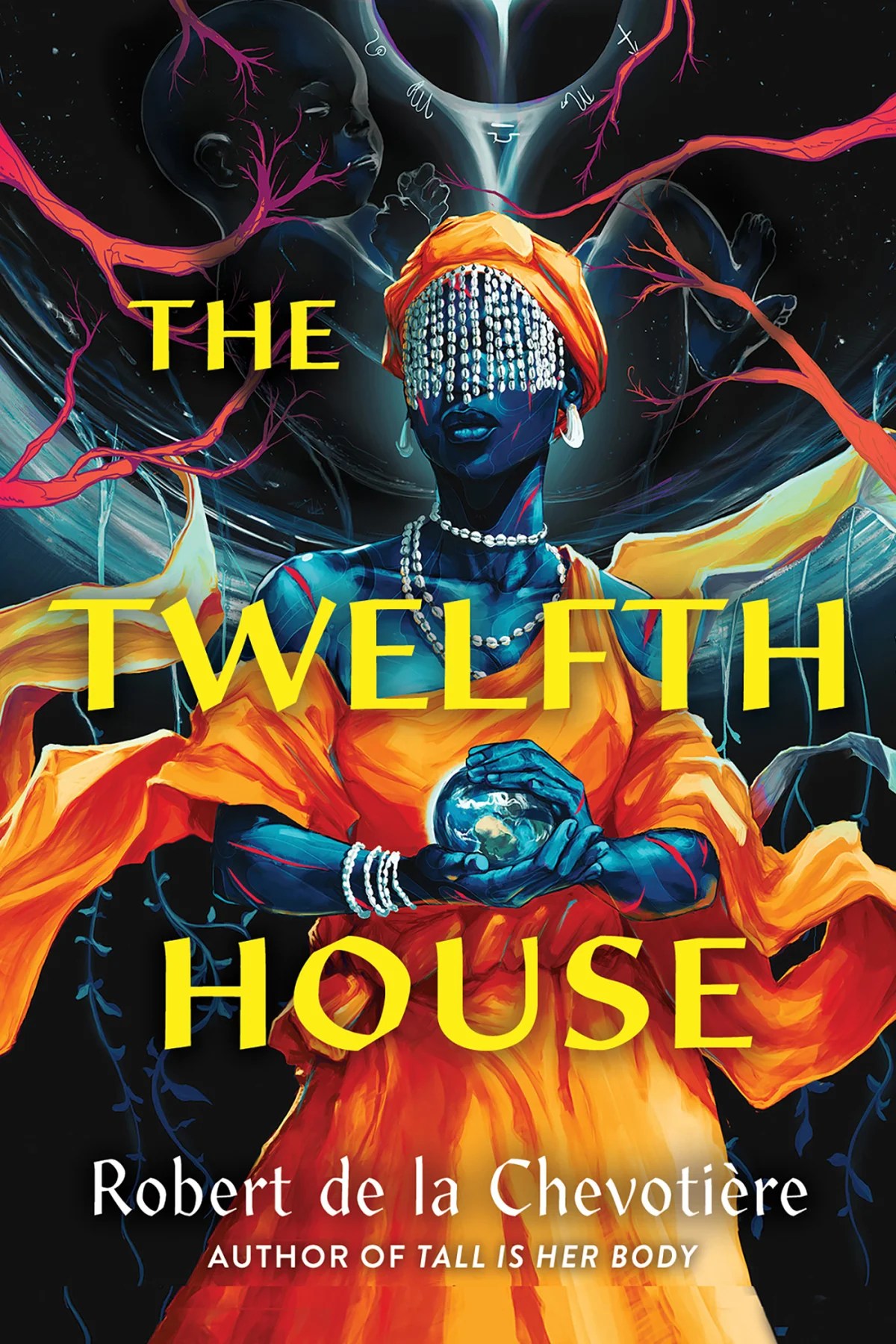
Robert de la Chevotière has just released his second adult novel, The Twelfth House. Set mainly between the 1770s and 1830s in Dominica, this book gives voice to the people stolen from their home in Dahomey (in present-day Benin) and enslaved by a cruel white man in the Caribbean. But an unborn soul is witness to all, waiting until she will be born and able to help her people in freedom. It’s an ambitious work of magical realism rooted in a historical context.
What I Liked:
- West African mythology. The main narrator of The Twelfth House is Etta, an ogbanje. She’s the unborn twin of another character, and her soul is trapped until she is finally born into a living body. There’s a strong theme of rebirth and fates tied together. There are also queen mothers, seers, glowing tamarind trees, and beliefs in who or what can feel pain, see, and remember.
- Zodiac. Related to rebirth, this book also focuses on what goes on in the twelfth house of the zodiac. In astrology, the twelfth house rules the subconscious mind, dreams, and transcendence. It’s naturally associated with Pisces and Neptune. I loved how this book weaves in the deeper themes of astrology, and specifically this final part of the birth chart, and how it all relates to the events that take place on the page.
- Revenge and justice. The white characters are unspeakably cruel to the Black characters, especially in the context of slavery. Though not gratuitous, this novel still doesn’t hide the horrors committed against those enslaved, from inhumane punishment to rape to murder. Upon escaping and achieving freedom, some characters seek vengeance. This ushers in a cycle of revenge, but at what point must it all end?
What Didn’t Work for Me:
- Disjointed storytelling. The Twelfth House bounces between several timelines, places, and characters, mainly in the 1700s and 1800s in Dahomey (now Benin) and Dominica (previously called Wai’tukubuli). However, some chapters reach farther back in time, abruptly going to 894, 1394, or the 1490s, including one chapter set in Spain. It’s a kaleidoscopic look at a far-reaching lineage, but it felt scattered to me. I had a hard time understanding why chapters were presented when and how they were. Ultimately, it made for a disconnect and I wasn’t able to become as emotionally invested in the characters as a result.
Audiobook:
Marie-Françoise Theodore narrates The Twelfth House. Her voice is serene, even when the story is more intense, gently drawing the listener in. It makes for a book that is easy to listen to, despite the complex storytelling.
Final Thoughts
The Twelfth House is a powerful book for people who enjoy West African mythology, themes of revenge and rebirth, and stories of enslaved peoples attaining freedom. I struggled with the narrative structure of this novel, but I can appreciate what the author was aiming for, and believe this book will find its audience.
Special thanks to Kensington, RBmedia, and NetGalley for providing me with an ARC of this book!
Get the Book
You can buy The Twelfth House here – it’s available as a hardcover, ebook, and audiobook.
| The Twelfth House by Robert de la Chevotière | |
|---|---|
| Audiobook Narrator | Marie-Françoise Theodore |
| Audience | Adult |
| Genre | Magical Realism; Historical Fiction |
| Setting | Dominica; Benin; England; Spain |
| Number of Pages | 288 |
| Format I Read | Audiobook & Ebook (NetGalley ARCs) |
| Original Publication Date | August 25, 2026 |
| Publisher | Erewhon Books |
Official Summary
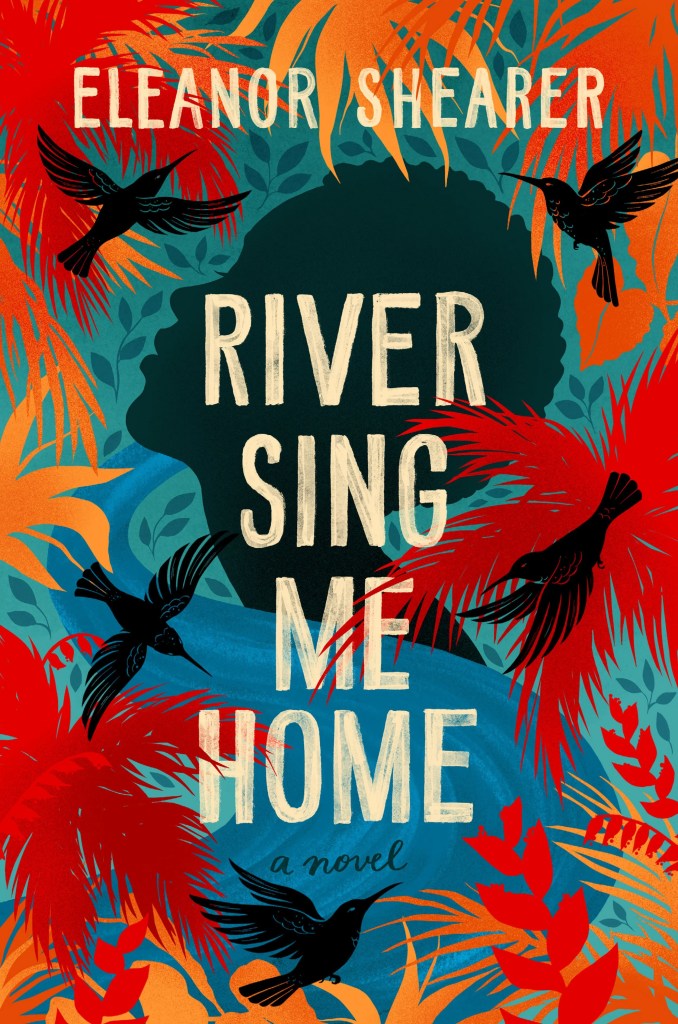
The vengeful spirit of an unborn child draws her father from the Bight of Biafra onto a slave ship bound for the harshly colonized Caribbean island of Dominica in this lush historical novel infused with magical realism and rooted in West African mythology for readers of Ta-Nehisi Coates’ The Water Dancer and River Sing Me Home by Eleanor Shearer.
Etta is an ogbanje, an unborn soul trapped in a cycle of conception and death in the wombs of one family. A gifted siren in the twelfth house of the zodiac—the house of secrets, of dreams, and of death—her voice unleashes ethereal songs that consume listeners with fear. Her desperate desire to live compels her father, Bako, into the hands of his captors of the coast of 18th-century Benin and carries him on a harrowing journey across the Atlantic to enslavement on a sugarcane plantation in Dominica.
Bako’s defiant spirit—and Etta’s fervent wish to be born—soon lead him to escape into the mountains. There, he has a fateful encounter with the Kalinaga woman named Mary who will ensure Etta’s birth into the mortal world. But the child Etta bears physical scars of her many spiritual deaths, bringing her father to suspect the truth of his daughter’s origins. As the landowners and tradesmen who enslave Etta’s people feel her wrath and inflame rebellion, Bako fears it is the rebellion within which is the gravest.
About the Author

Credit: Nikola Davison
Robert de la Chevotière is a short story writer, novelist and award winning poet. He has been a public school teacher for nearly 20 years. Originally from the Caribbean Island of Dominica, he spent equal parts of his childhood in Guadeloupe and in Bermuda. He now resides in Halifax, Nova Scotia, on the east coast of Canada.
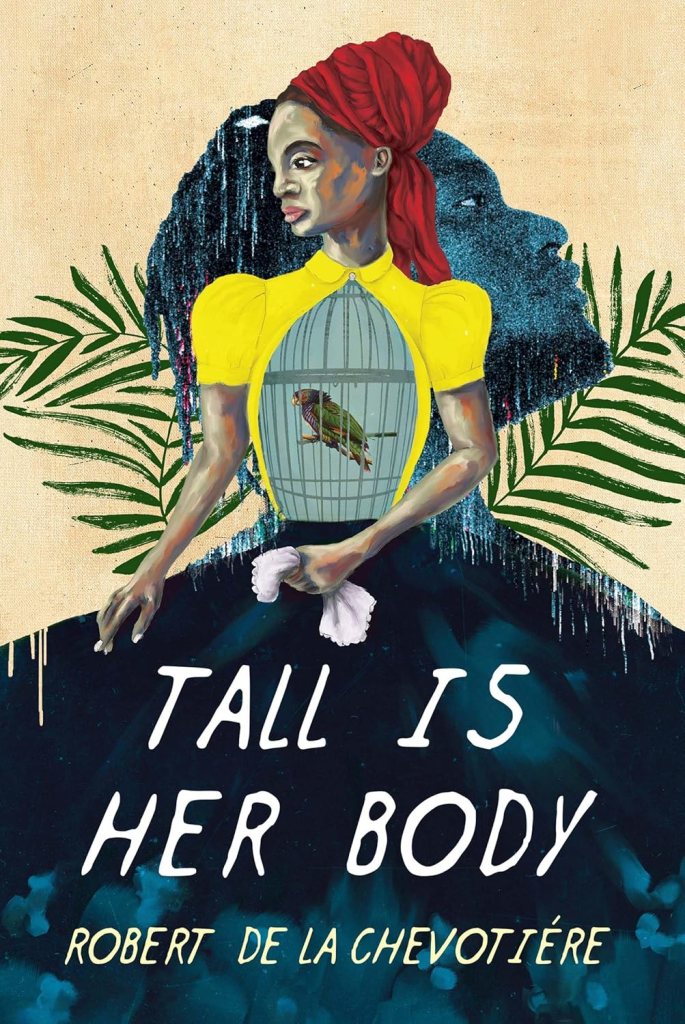
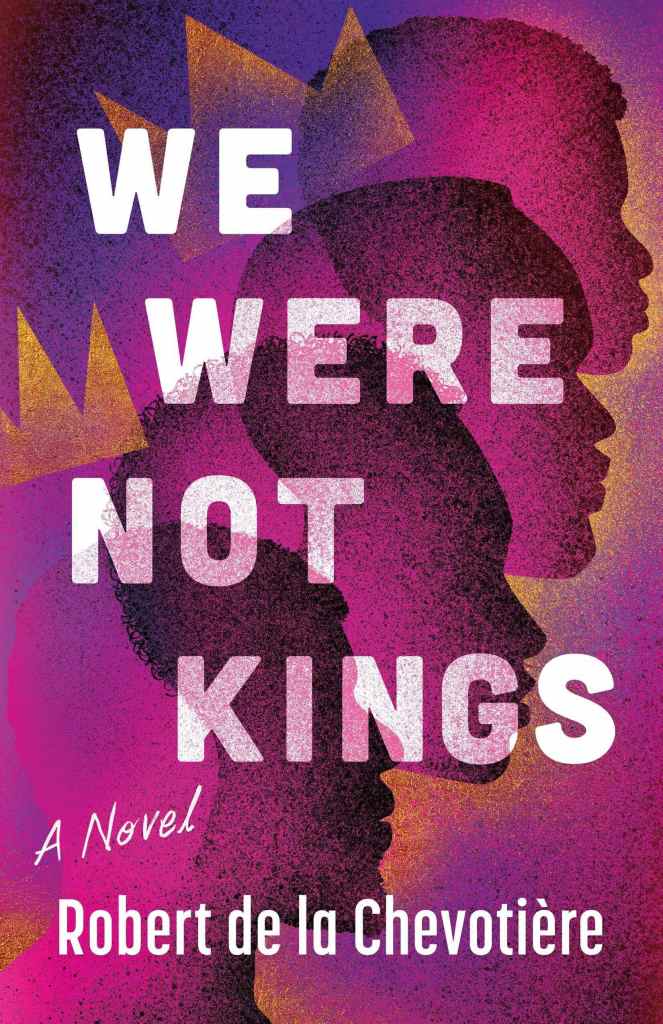
More Books by Robert de la Chevotière
More Reviews of Books Like This
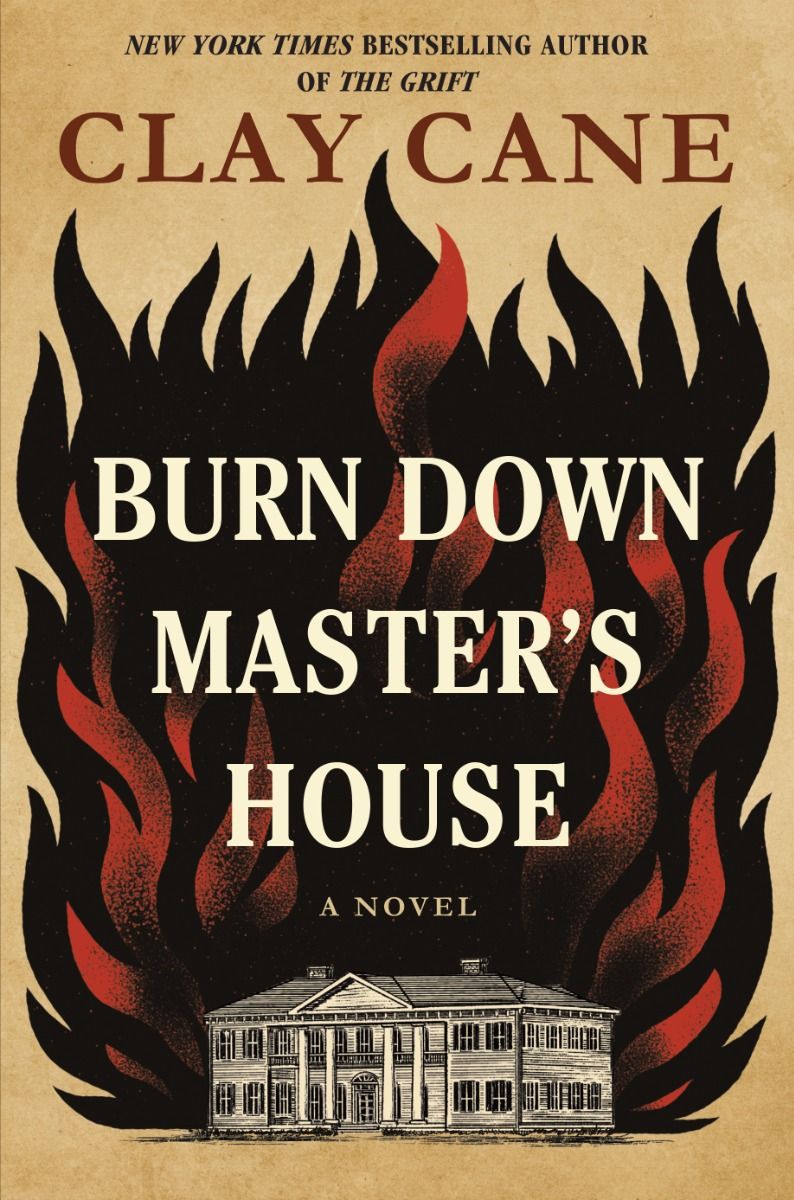
Burn Down Master’s House
One of my most anticipated books of the year was Clay Cane’s Burn Down Master’s House. Though I don’t read much fiction about slavery these…
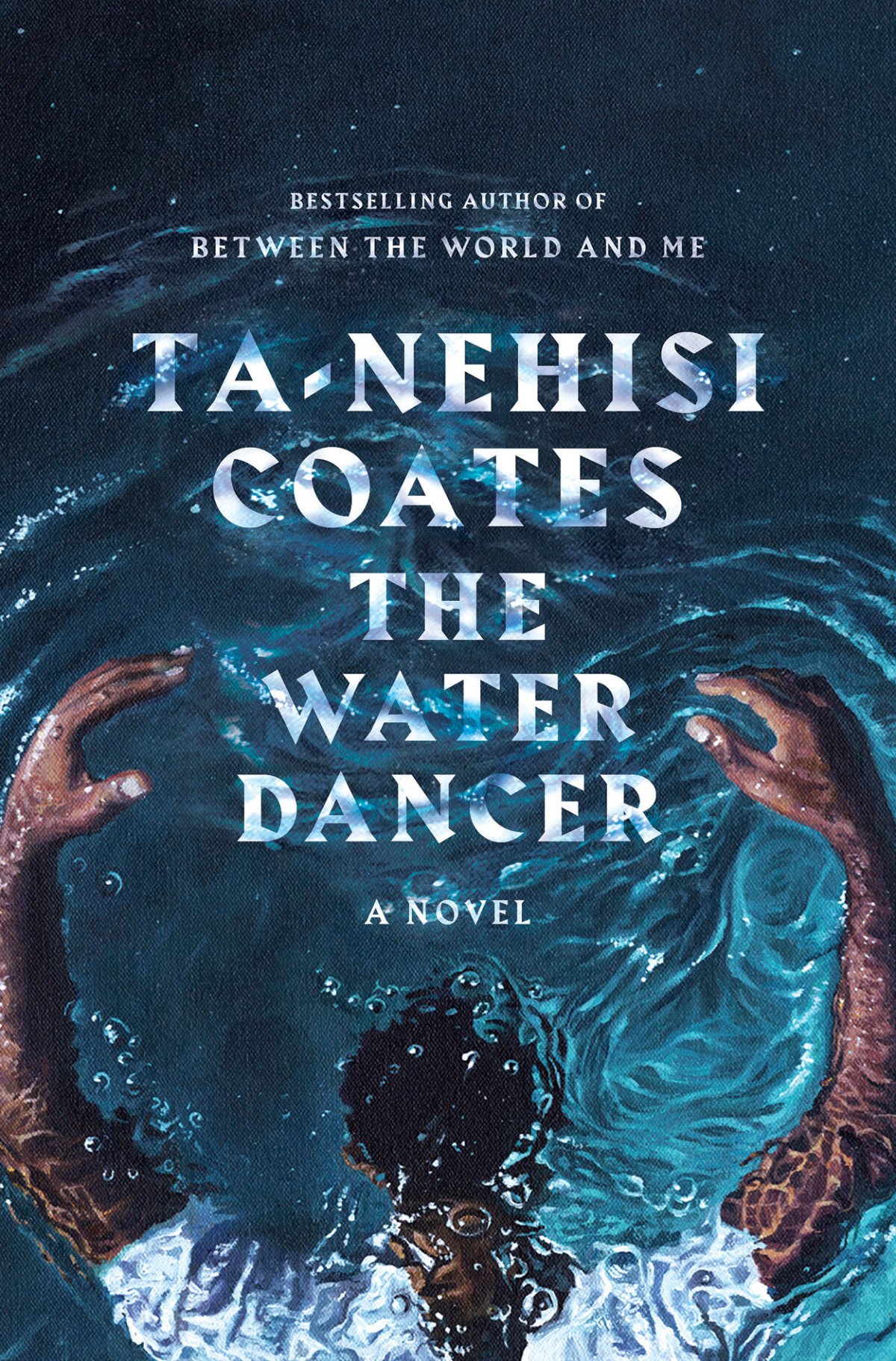
The Water Dancer
Since it came out in 2019, I’ve only heard good things about Ta-Nehisi Coates’s novel, The Water Dancer. I was excited to finally read it,…
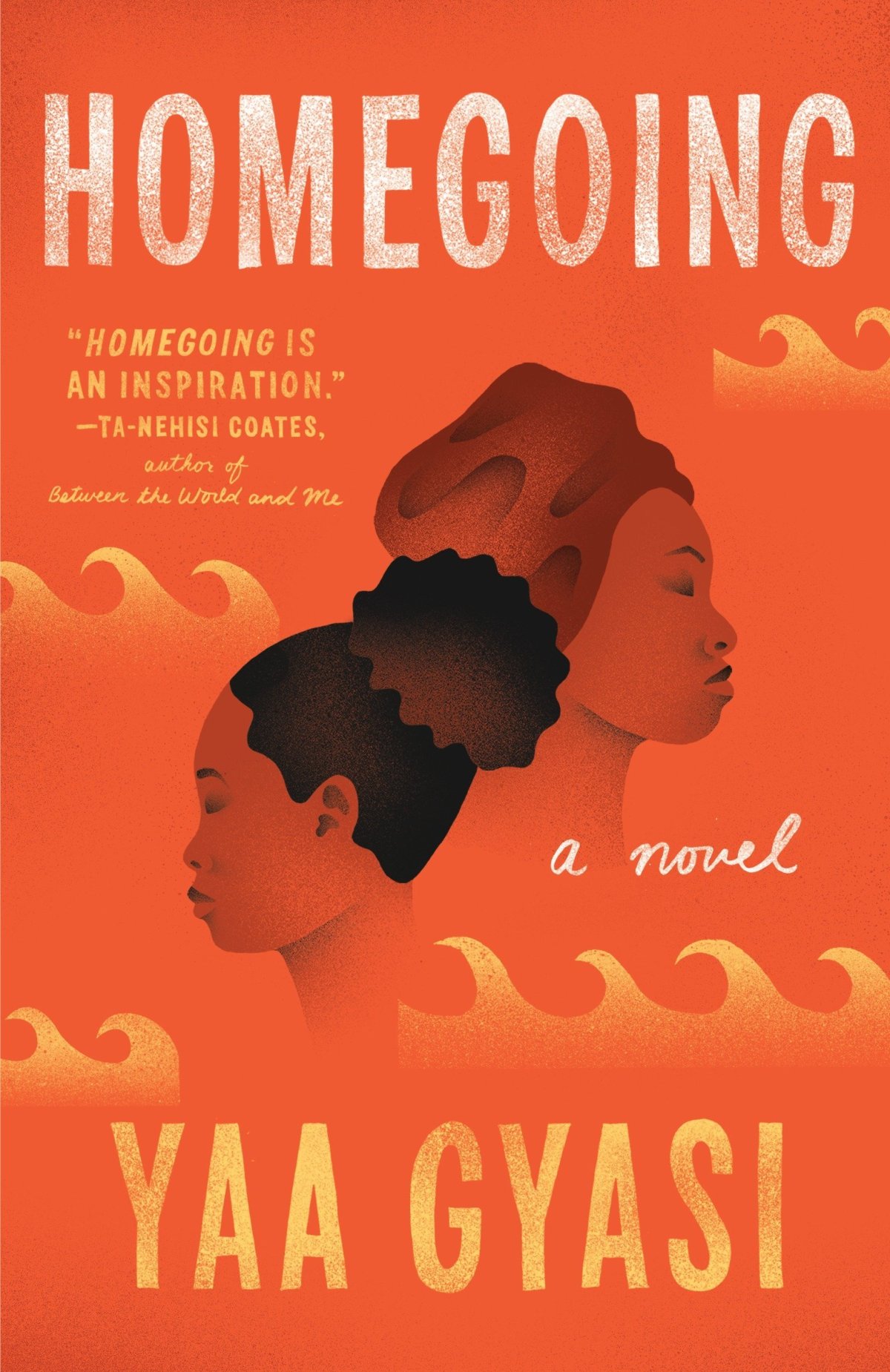
Homegoing
A new book has been on my radar for the past few months: Transcendent Kingdom by Yaaa Gyasi. This upcoming release led me to want…
Similar Books on My TBR

Discover more from Amanda's Book Corner
Subscribe to get the latest posts sent to your email.


Footnotes