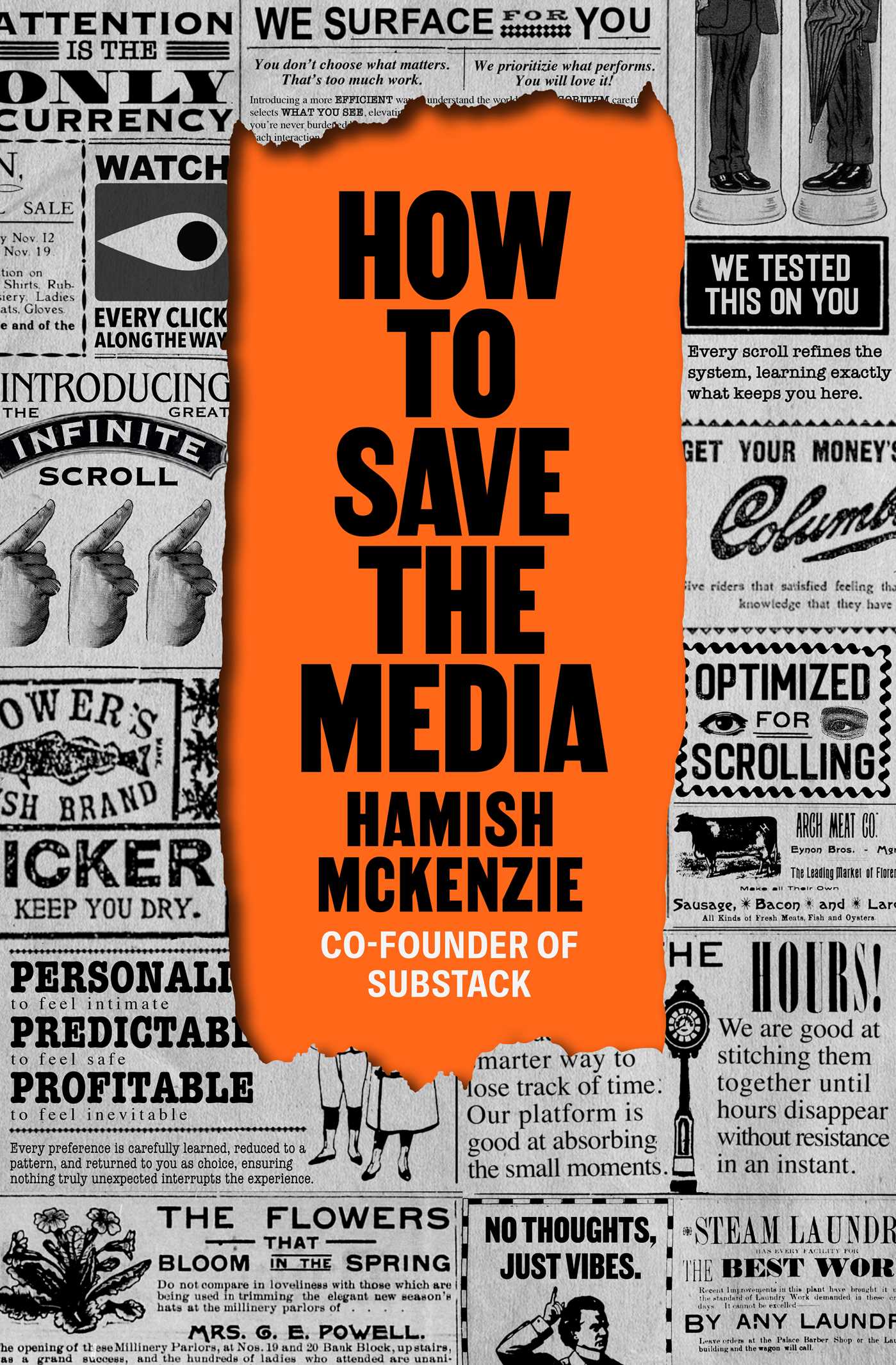
This week, Substack co-founder Hamish McKenzie released his book, How to Save the Media. The title is what first caught my interest. I have a Bachelor’s degree in Communication, and I’m always curious about Media Studies and the future of journalism. After a tumultuous decade, its future has been uncertain. But on the other hand, I was interested in this book because it’s coming from one of the people behind Substack. Many authors I follow publish their newsletters through Substack, and I’ve been considering starting one myself. What is his perspective on not only his contributions to the ever-changing media landscape, but on where we all go from here?
What I Liked:
- Tackling issues within traditional media and social media. Traditional media has been in decline for decades, yet social media has been a chaotic and unreliable counterpoint to it. The author identifies very real issues within both: How can media retain readership? How can it provide meaningful, factual news in a world dominated by endlessly increasing engagement no matter the cost? Should advertisers be the paying customer, or should readers?
- Offering a new path based on direct connections between author and reader. The main tenet of Substack is providing a platform for writers to directly connect with readers. The quality of their work will determine how many subscribers they have (whether paid or unpaid), how loyal their readership is, and how they can scale. For many writers, the format of Substack has meant unencumbered expression and financial freedom.
- Commitment to free speech and diverse perspectives. While there are obvious issues with some of the content being published on Substack, and I can commend the platform for its commitment to freedom of the press. Whereas mainstream media can have a narrow set of topics and principles it’s willing to publish, Substack has allowed for a wider variety of views and subjects.
What Didn’t Work for Me:
- Not enough care for hate speech and misinformation. As much as free speech must be protected, it’s also vital to limit deliberate misinformation and hate speech, and based on this book, I’m not sure Substack has been willing or able to do so. Instead of giving a platform to Nazi sympathizers and anti-vaxxers, there should be some stricter guidelines in place. I can accept that not everyone holds the same progressive politics that I do, but I don’t see a place for those who would do harm to others.
- Too focused on Substack. The author is one of the founders of Substack, a company that upholds his ethos on the future of journalism, so it’s natural that most of this book is about Substack’s ups and downs since 2017. But with a title like How to Save the Media, I was hoping for something a little larger in scale. The paid subscriptions model of Substack is one important pillar, but how can we save more widely available media (not locked behind a paywall) without the documented issues? How can ad-based media serve truth instead of mindless clickbait?
Audiobook:
Hamish McKenzie narrates his own book. While he’s not a trained voice actor, his reading of How to Save the Media is authentic. Listeners get to enjoy his New Zealand accent and personality. His narration sometimes sounds rushed, though, and could have used a more dynamic approach to make it more engaging.
Final Thoughts
How to Save the Media doesn’t entirely live up to its own title, but it does offer a blueprint for how one company has successfully evaded the common pitfalls in modern media. This is an important read for anyone interested in Media Studies, the future of journalism, and free speech. Even if it doesn’t paint a full picture, it can serve as a good starting point for those wanting to further explore where media can go from here.
Special thanks to Authors Equity, Simon & Schuster Audio, and NetGalley for providing me with an ARC of this book!
Get the Book
You can buy How to Save the Media here – it’s available as a hardcover, ebook, and audiobook.
| How to Save the Media by Hamish McKenzie | |
|---|---|
| Audiobook Narrator | Hamish McKenzie |
| Audience | Adult |
| Genre | Nonfiction: Media Studies |
| Number of Pages | 176 |
| Format I Read | Audiobook & Ebook (NetGalley ARCs) |
| Original Publication Date | November 17, 2026 |
| Publisher | Authors Equity |
Official Summary
Best New Business Book November 2026 (Porchlight Book Company)
A clear-eyed examination of why modern media lost public trust—and what it will take to earn it back.
Social networks tore apart a media industry that had taken two hundred years to build, swapping broadsheets and broadcasts for algorithms and addiction feeds. Now what?
The media is in chaos even though its fundamental job hasn’t changed. The demand is still there: people still crave great stories and robust reporting. And there’s no shortage of supply: there are more creators than ever. But the old models built to connect the supply and demand no longer work.
As a young journalist, Hamish McKenzie knew the ground he was stepping onto was already shaky, and that was even before he worked for and then tangled with Elon Musk. When he teamed up with Chris Best and Jairaj Sethi to found Substack, he believed that new infrastructure and new business models could usher in an era where independent voices have power and audiences have a say.
In How to Save the Media, we get to ride along, witness to an industry in metamorphosis. We’re there at the Hotel Chelsea, barside with whiskey-drinking legends of newsrooms past. We’re there at Cannes Lions, where sweating ad executives on luxury yachts are busy divvying up the very revenue that once kept newsrooms alive.
And we’re there as pioneers of the new creator economy wrestle with the promises and pitfalls of what they’ve built.
About the Author
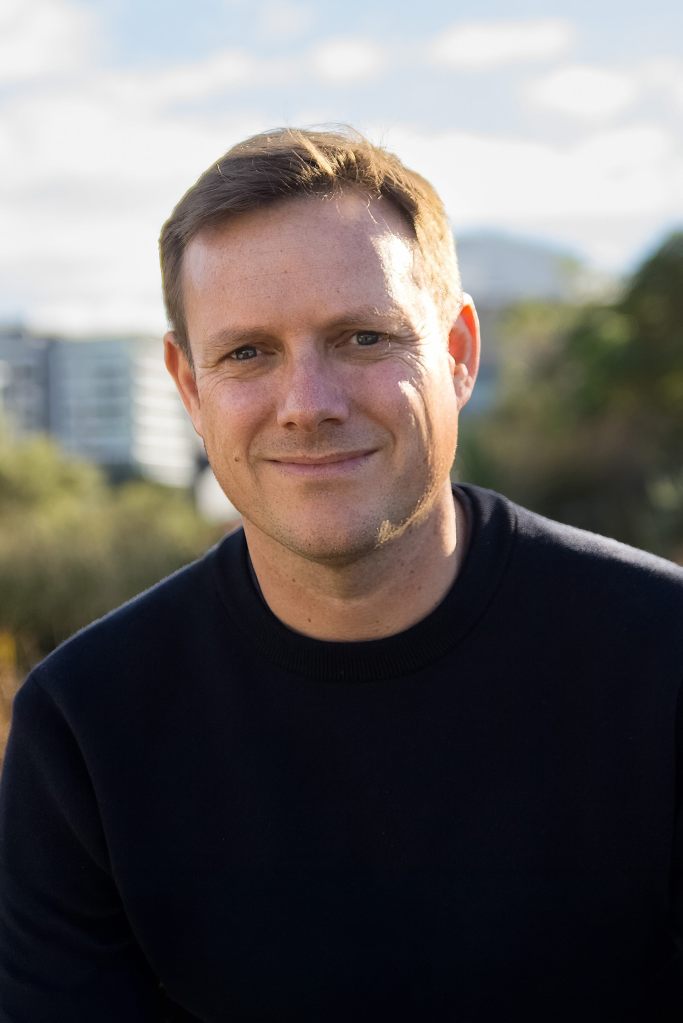
Hamish McKenzie is a writer, journalist, and media entrepreneur, and the cofounder of Substack. He is the author of Insane Mode, a critically acclaimed book on Tesla and the electric-car revolution, and previously served as Tesla’s lead writer. Originally from New Zealand, he writes widely on technology, culture, and the future of media.
More Reviews of Books Like This
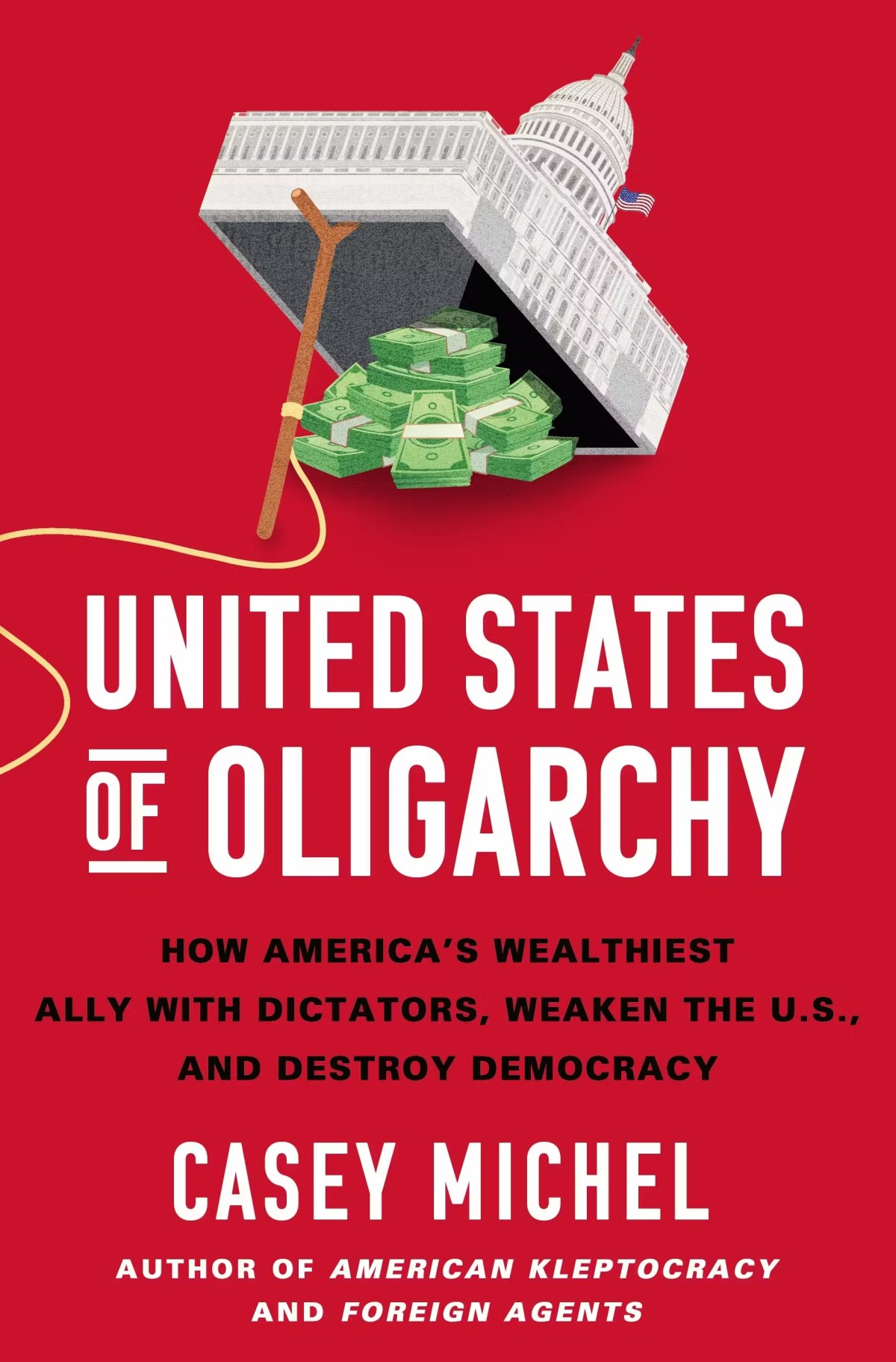
United States of Oligarchy: How America’s Wealthiest Ally with Dictators, Weaken the U.S., and Destroy Democracy
The world feels like it’s falling apart, and a lot of that comes down to the obscenely wealthy minority who are amassing ever more power…
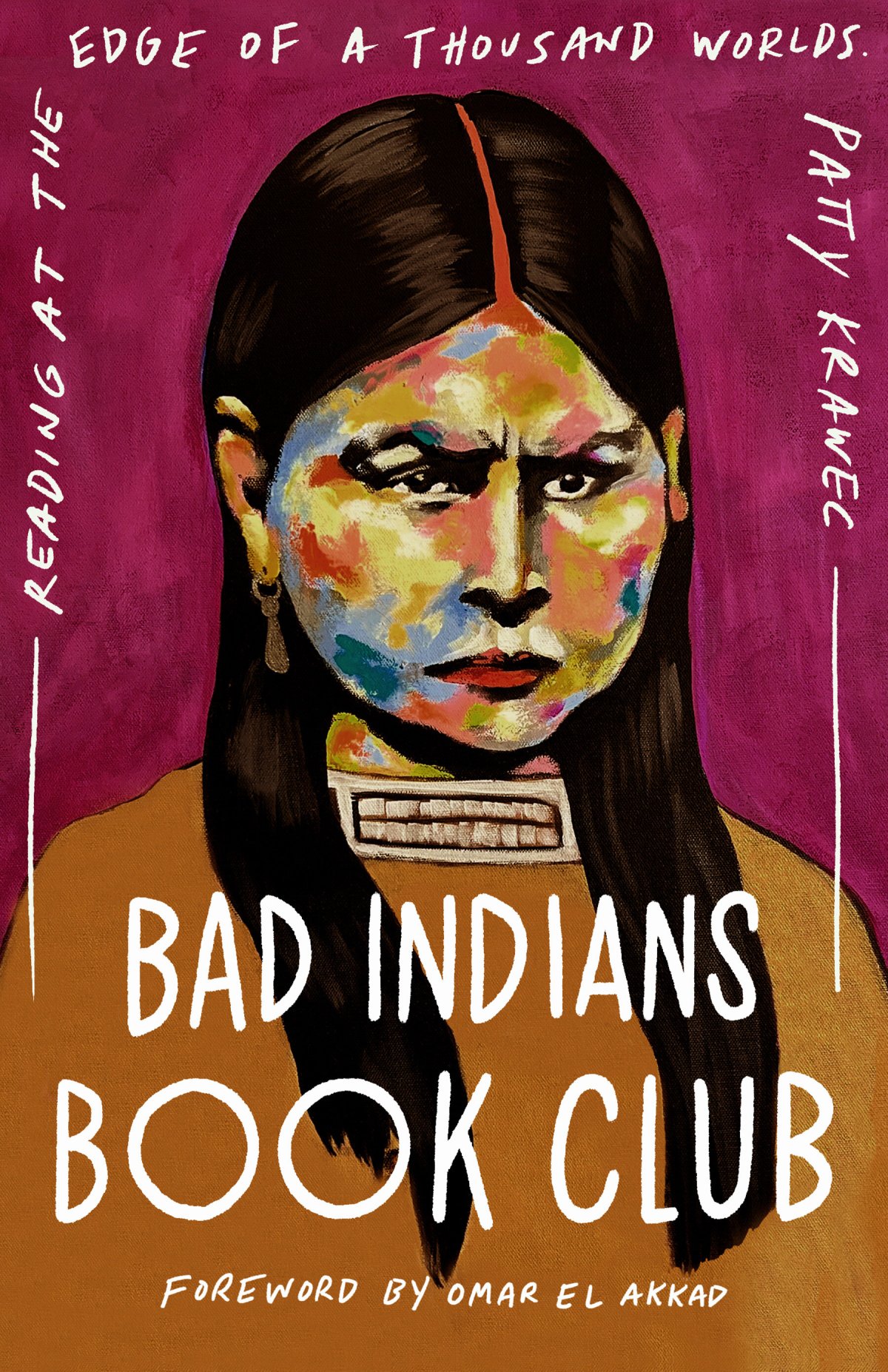
Bad Indians Book Club: Reading at the Edge of a Thousand Worlds
As we enter Native American Heritage Month, now is an auspicious time to learn more about Indigenous history and culture, and what better way than…

One in a Millennial: On Friendships, Feelings, Fangirls, and Fitting In
As soon as I first saw the cover for Kate Kennedy’s One in a Millennial: On Friendships, Feelings, Fangirls, and Fitting In, I knew I…
Similar Books on My TBR


Discover more from Amanda's Book Corner
Subscribe to get the latest posts sent to your email.


Footnotes