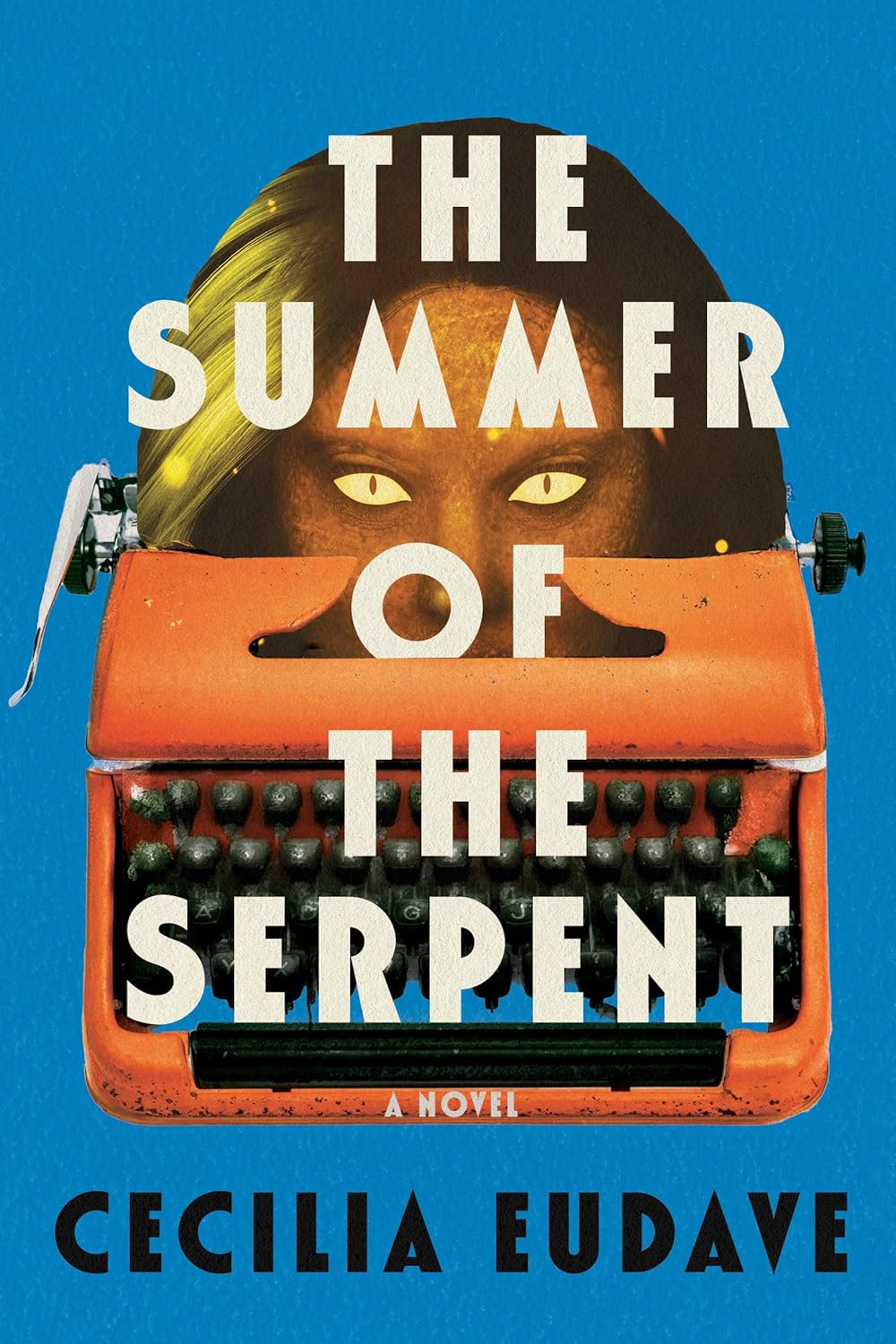
Happy release day to the English translation of The Summer of the Serpent by Cecilia Eudave. First released in Spanish in 2022, this novella takes place in the summer of 1977 in Guadalajara, Mexico. Two daughters witness bizarre horrors in their neighborhood, while the adults are wrapped up in their more mundane problems, unaware of what the girls are observing. Through multiple points of view, we get a sense of how the world was in 1977, but also of how otherworldly this summer would feel.
What I Liked:
- Surreal setting. It feels like the 1970s. It feels like a quiet neighborhood in Mexico. And on top of that, everything feels just a tad unnatural. This is historical fiction that veers into magical realism, but the kind that is unsettling rather than whimsical. Snakes and snake girls, a man who tortures his dog seemingly without emotion, girls who see a specific kind of ghost—everything here feels off, like we’re seeing it through a heat-induced haze.
- Precise, succinct language. I enjoyed the writing style here. The author masterfully captures the different characters emotions and observations in a way that is sharp and concise. It’s a bit of a cold narrative, despite the hot summer setting, but it works for the (mostly unlikeable) characters.
What Didn’t Work for Me:
- Not enough horror. The Summer of the Serpent was marketed as horror, but for me, it didn’t really deliver on that genre. It’s certainly creepy and somewhat supernatural, but all the horrors we see come from a distant perspective. Much like how one of the narrators here sees the adults around her, it’s more like a science experiment we’re analyzing rather than a descent into any kind of terror.
- Disjointed narrative. Each chapter follows a different character: the kids, the adults, the snake itself. It’s an interesting tapestry of troubled people, but it ultimately never gelled together for me.
Audiobook:
Kim Ramirez narrates the The Summer of the Serpent. She does a great job of capturing the detached, strange feeling of the novel and its myriad characters.
Final Thoughts
The Summer of the Serpent isn’t quite what I was expecting, but I still enjoyed it. This is part coming-of-age, part surrealist portrait of one fleeting summer 50 years ago. If your expectations aren’t too set on true horror, this is a novella worth reading.
Special thanks to Highbridge Audio and NetGalley for providing me with an ARC of this book!
Get the Book
You can buy The Summer of the Serpent here – it’s available as a hardcover, ebook, and audiobook.
| The Summer of the Serpent by Cecilia Eudave | |
|---|---|
| Translator | Robin Myers |
| Audiobook Narrator | Kim Ramirez |
| Audience | Adult |
| Genre | Horror; Historical Fiction |
| Setting | Mexico |
| Number of Pages | 144 |
| Format I Read | Audiobook (NetGalley ARC) |
| Original Publication Date | June 30, 2026 (English translation) |
| Publisher | Soho Press |
Official Summary
This surreal, horror-tinged, Guadalajara-set work of Latin American “literature of the unusual” is a kaleidoscopic descent into the small violences and hidden horrors of one sweltering summer, forming a coil of vignettes that slither under the skin for a strange, deeply human portrait of memory, myth, and family.
For fans of Samanta Schweblin, Mónica Ojeda, and Brenda Lozano.
Guadalajara, Mexico, 1977. In a quiet residential neighborhood, children witness things they can never forget: a serpent girl weeping in a carnival glass box, a neighbor who dangles his dog from a tree, and a ghost who returns night after night, desperate to tell its story. Meanwhile, the grown-ups drift through the season half oblivious, their spirits eroding as the relentless summer wears on.
Told in colliding voices—children and adults, ghosts and the haunted, the living and the almost-invisible—The Summer of the Serpent is a prismatic portrait of the past, where memory is shot through with myth. Each narrator offers a fragment of the truth, until the stories twist together into a shape as elusive and mesmerizing as the boa constrictor that winds its way through the neighborhood.
Strange yet deeply human, this brilliantly fragmented novel captures the moment when childhood innocence begins to corrode—and how those memories can coil through a lifetime.
About the Author
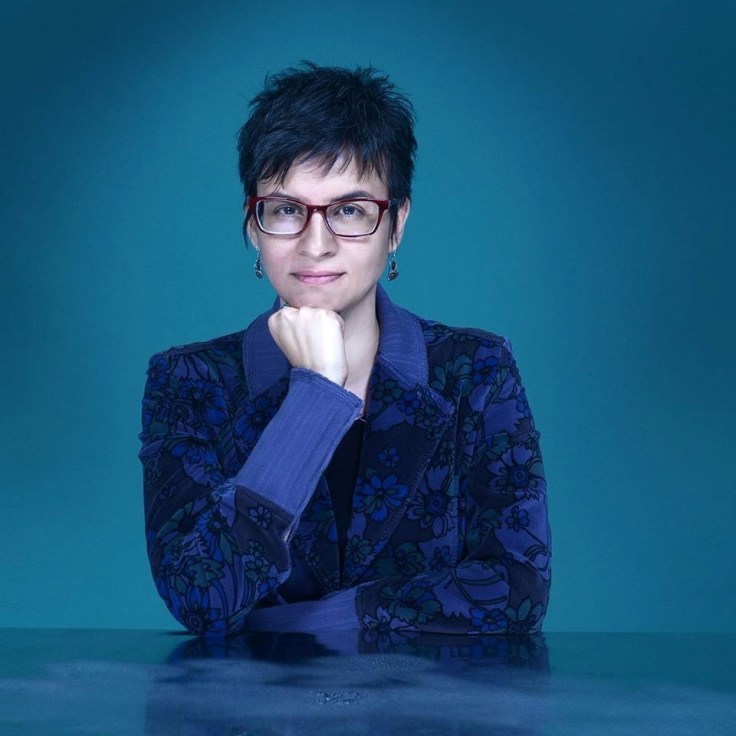
Cecilia Eudave lives in Guadalajara, Mexico, and teaches at the Universidad de Guadalajara. She is the author of the story collections Técnicamente humanos, En primera persona, and Registro de Imposibles, as well as another novel, Bestiaria vida, which won the Juan García Ponce Literary Award.
More Reviews of Books Like This
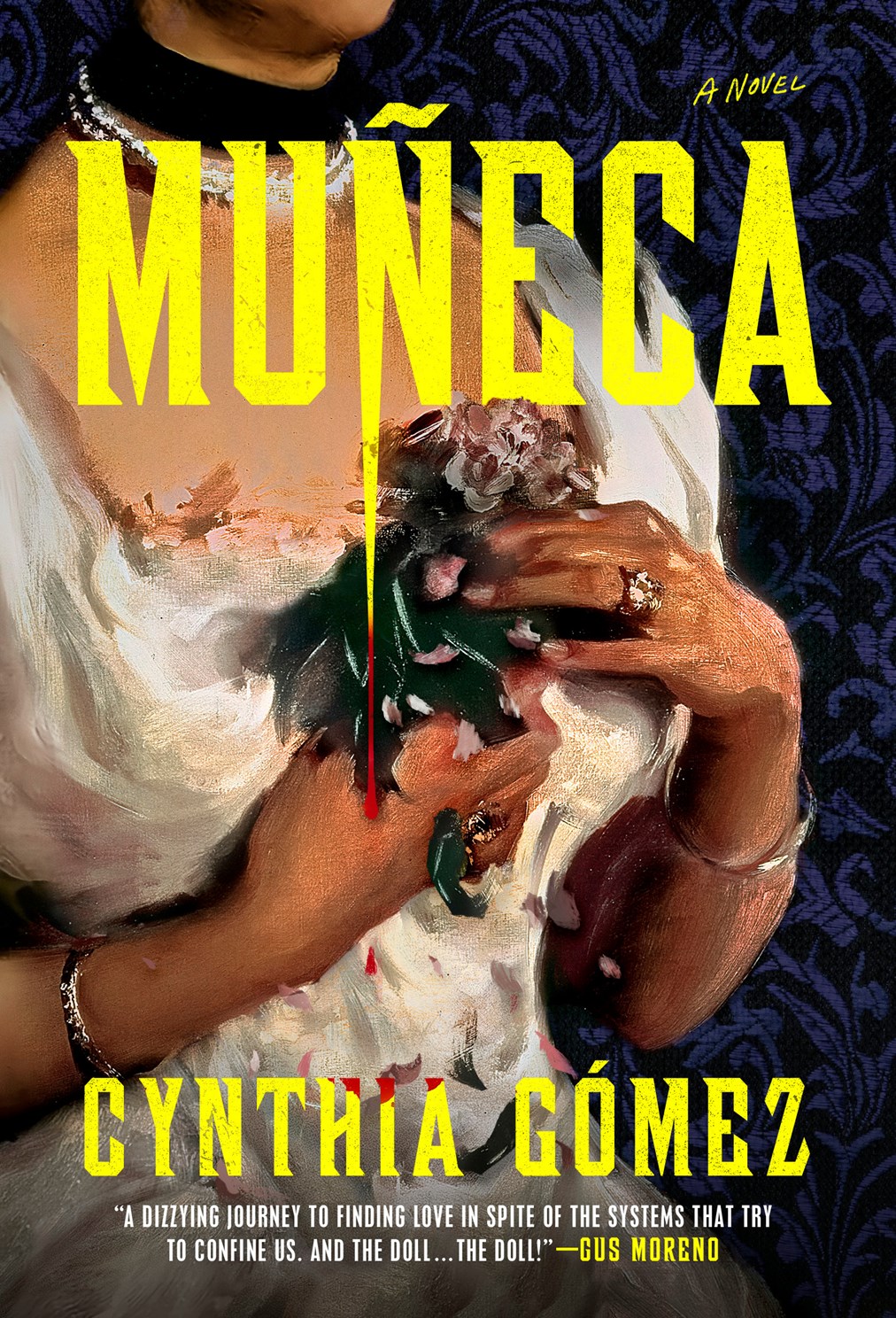
Muñeca
Happy release day to Cynthia Gómez’s debut novella, Muñeca. This has been high on my list since I first learned about it, and what a…

Untamed Shore
In the past four years, Silvia Moreno-Garcia has become one of my favorite authors. She has quite a few books already, and I’m still working…
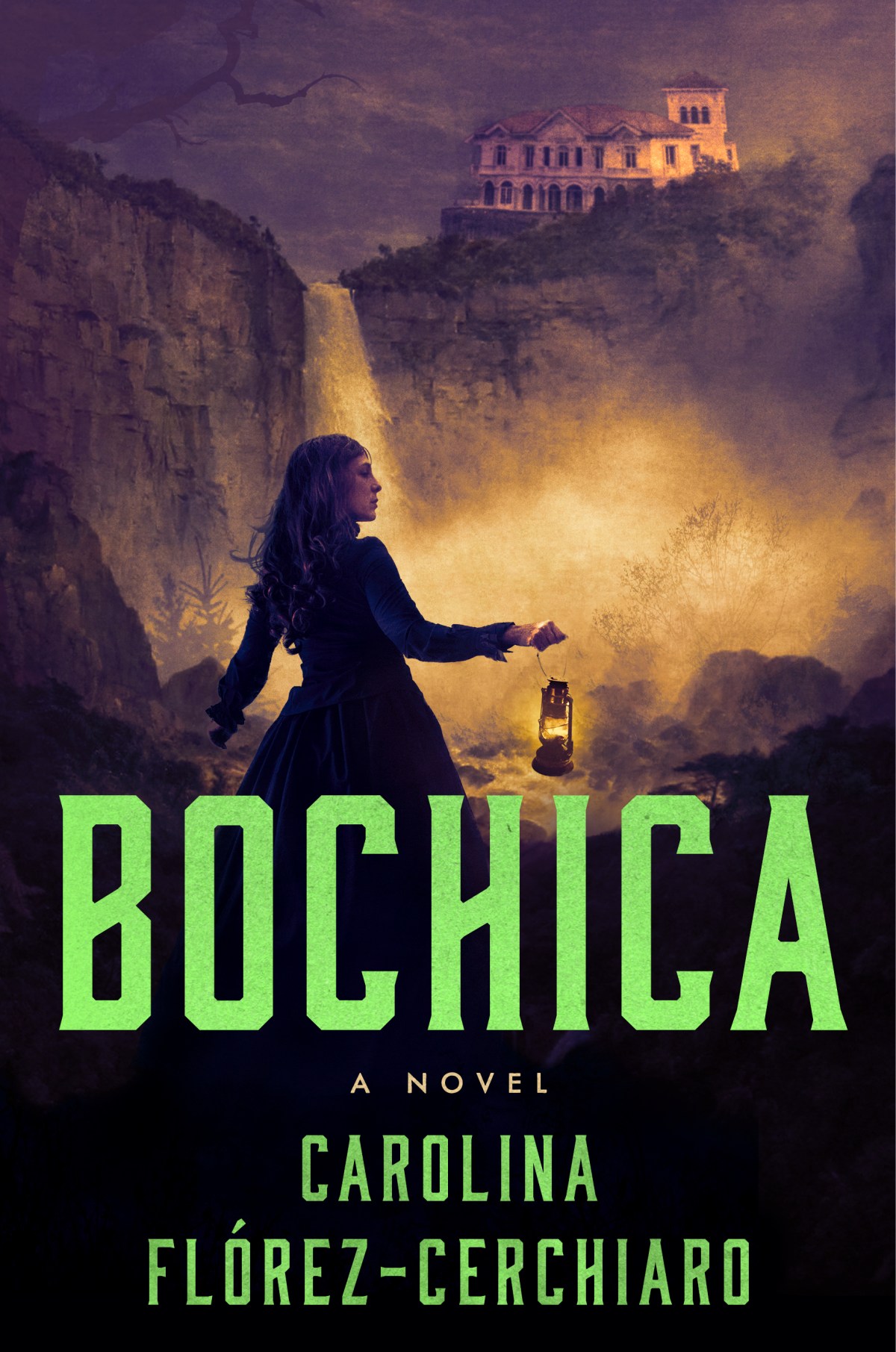
Bochica
Last May, Carolina Flórez-Cerchiaro released her debut novel, Bochica. Today, the Spanish version is out, and though I’m not yet fluent in the language, I…
Similar Books on My TBR

Discover more from Amanda's Book Corner
Subscribe to get the latest posts sent to your email.


Footnotes