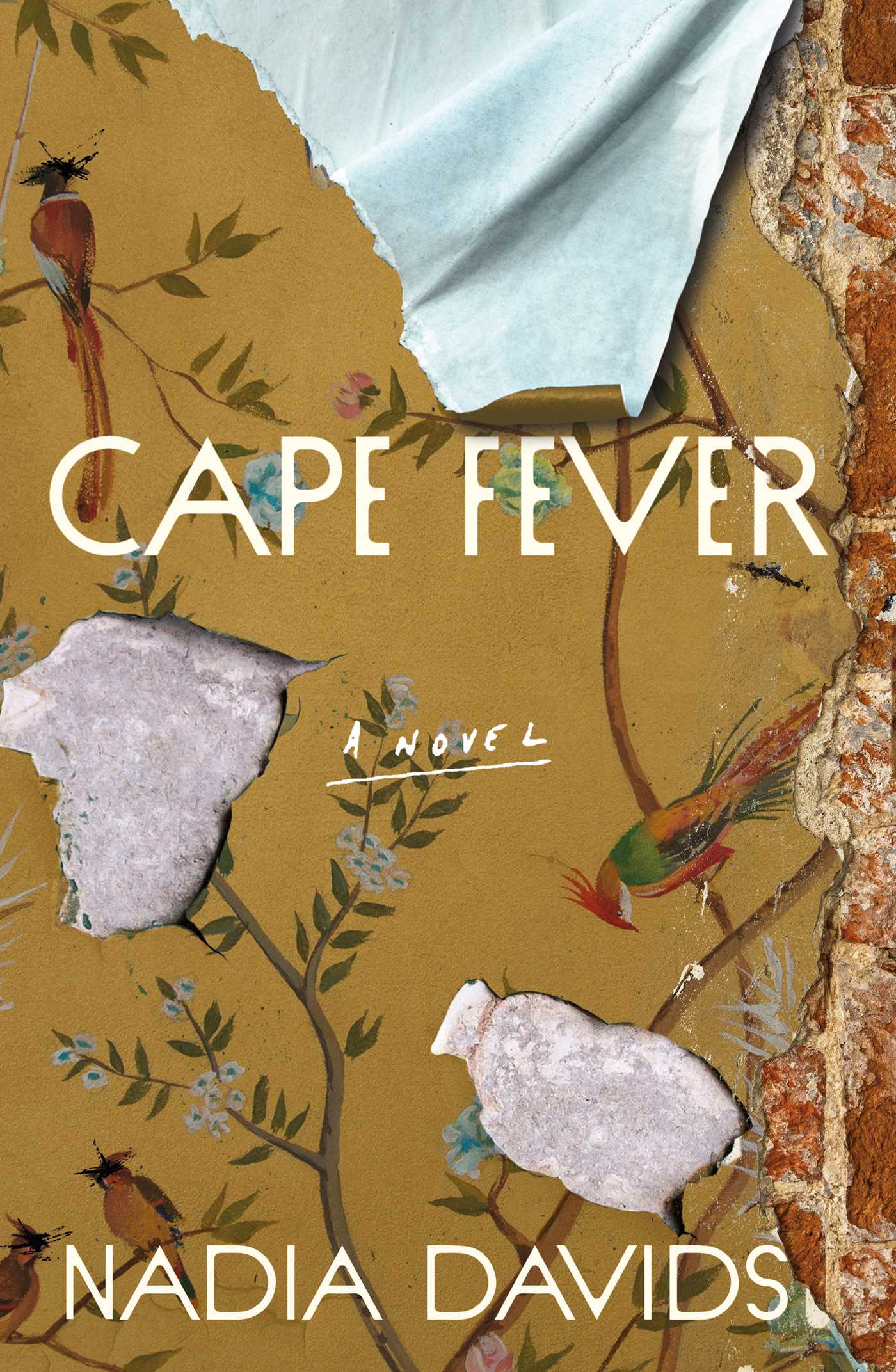
Last December, Nadia Davids released her novel, Cape Fever. Set in 1920 in an unnamed city in South Africa, it follows Soraya, a young Muslim woman working as a maid for an English woman, Mrs. Hattingh. Her new employer requires her to live at the house, and she rarely gets a chance to see her nearby family or her fiancé. Mrs. Hattingh spends her time writing letters to her son, currently in England, and, believing that Soraya is illiterate, she decides to write letters to Soraya’s fiancé on her behalf. But as the months pass, Soraya and Mrs. Hattingh’s relationship deteriorates as secrets begin to emerge.
What I Liked:
- Internalized narrative. Throughout this novel, we are very much in Soraya’s head. The pacing is gentle, gradual, and sometimes points to the mundanity of her job. Soraya is a dreamer and loves to make up stories, but she’s very aware of the realities of her world, too. She’s a wonderful protagonist, and her voice carries the novel.
- Gothic setting. Mrs. Hattingh is no longer as wealthy as she once was, and her once grand home is showing wear and tear. Soraya’s increasing isolation there adds to a growing sense of unease. Then there is the spirit she can see of the previous maid. This book has a hint of the supernatural: Soraya can see spirits and goblins, though they tend to lurk in the background rather than becoming prominent drivers of the story.
- Identity conflicts. Mrs. Hattingh is a white English woman who was rich. Soraya is Muslim and poor, working to help support her family. Throughout the book, Mrs. Hattingh makes constant remarks about Soraya’s “kind” or “her people,” drawing clear lines between herself and her maid. Mrs. Hattingh assumes Soraya is illiterate and treats her like she’s inferior in every way. On the other hand, Mrs. Hattingh has something of a white savior complex in her, always believing she’s doing good for those less fortunate than her. These tensions over class, religion, and origin create much of the growing discomfort in Cape Fever.
- Trust and manipulation. Sure, Soraya lies about her ability to read and write. But Mrs. Hattingh keeps secrets of her own, and her own manipulation gets out of hand. Some of what we eventually learn is heartbreaking, but it’s not enough to excuse her treatment of Soraya and her connections to those she loves.
What Didn’t Work for Me:
- Not really a thriller. Cape Fever has been labeled a psychological thriller, but calling it any kind of thriller is a stretch. There are secrets and manipulation; the isolated house is a subtly Gothic setting; there are hints of supernatural beings pointing towards the truth. But ultimately, there is not a sense of true danger, not in a physical sense. There is some suspense, perhaps, but any thrills come in muted colors. It’s a more ordinary, domestic sort of unease when two strangers, with uneven power dynamics, are in such close proximity for an extended period of time. If you go into this book with different expectations, it’s a much more rewarding read.
Final Thoughts
Cape Fever isn’t the book I was anticipating, but I loved it nonetheless. It’s taut with domestic conflict and control, making for a claustrophobic and suspenseful read. I also enjoyed its setting in South Africa shortly after WWI. This is a quiet but impactful book and I hope to read more from Nadia Davids.
Special thanks to Simon & Schuster and NetGalley for providing me with an ARC of this book!
Get the Book
You can buy Cape Fever here – it’s available as a hardcover, paperback, ebook, and audiobook.
| Cape Fever by Nadia Davids | |
|---|---|
| Audience | Adult |
| Genre | Historical Fiction; Women’s Fiction |
| Setting | South Africa |
| Number of Pages | 240 |
| Format I Read | Ebook (NetGalley ARCs) |
| Original Publication Date | December 9, 2025 |
| Publisher | Simon & Schuster |
Official Summary
“It’s a stunner.” —Publishers Weekly (starred review)
From award-winning South African author Nadia Davids comes a gothic psychological thriller set in the 1920s, where a young maid finds herself entangled with the spirits of a decaying manor and the secrets of its enigmatic owner.
I come highly recommended to Mrs. Hattingh through sentences I tell her I cannot read.
The year is 1920, in a small, unnamed city in a colonial empire. Soraya Matas believes she has found the ideal job as a personal maid to the eccentric Mrs. Hattingh, whose beautiful, decaying home is not far from The Muslim Quarter where Soraya lives with her parents. As Soraya settles into her new role, she discovers that the house is alive with spirits.
While Mrs. Hattingh eagerly awaits her son’s visit from London, she offers to help Soraya stay in touch with her fiancé Nour by writing him letters on her behalf. So begins a strange weekly meeting where Soraya dictates and Mrs. Hattingh writes—a ritual that binds the two women to one another and eventually threatens the sanity of both.
Cape Fever is a masterful blend of gothic themes, folk-tales, and psychological suspense, reminiscent of works by Silvia Moreno-Garcia and Daphne du Maurier, and Soraya Matas is an unforgettable narrator, whose story of love and grief, is also a chilling exploration of class and the long reach of history.
About the Author

Credit: John Gutierrez
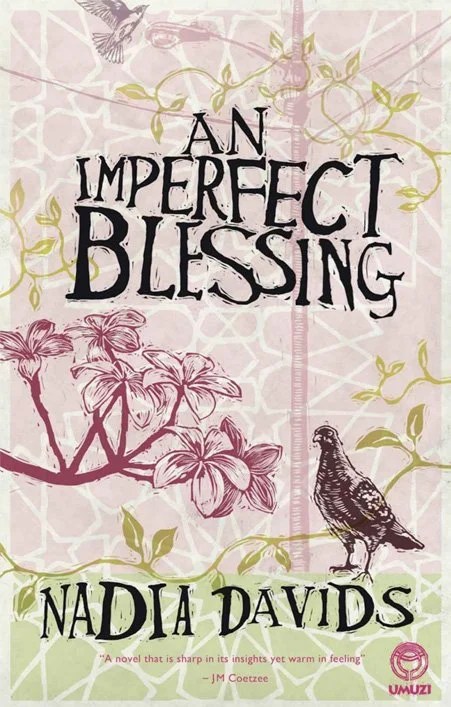
Nadia Davids is an acclaimed South African playwright, novelist, academic, and former President of PEN South Africa. Her debut novel An Imperfect Blessing was shortlisted for the Etisalat Prize for Literature. Her plays At Her Feet and What Remains have been staged internationally. She has been a visiting scholar/artist at the University of California, Berkeley, and at New York University, the recipient of a Philip Leverhulme Prize, and has taught theater at Queen Mary University of London and literature at the University of Cape Town. Her writing has appeared in the Los Angeles Review of Books, The American Scholar, Astra Magazine, The Georgia Review, and Zyzzyva Magazine. She won the 2024 Caine Prize for her short story, “Bridling.” She lives in California and was a writer in residence at Aspen Writes.
More Books by Nadia Davids
More Reviews of Books Like This

The Djinn Waits a Hundred Years
The Djinn Waits a Hundred Years is Shubnum Khan’s first novel available in the United States. This is one of those cases where the cover…
House of Margins
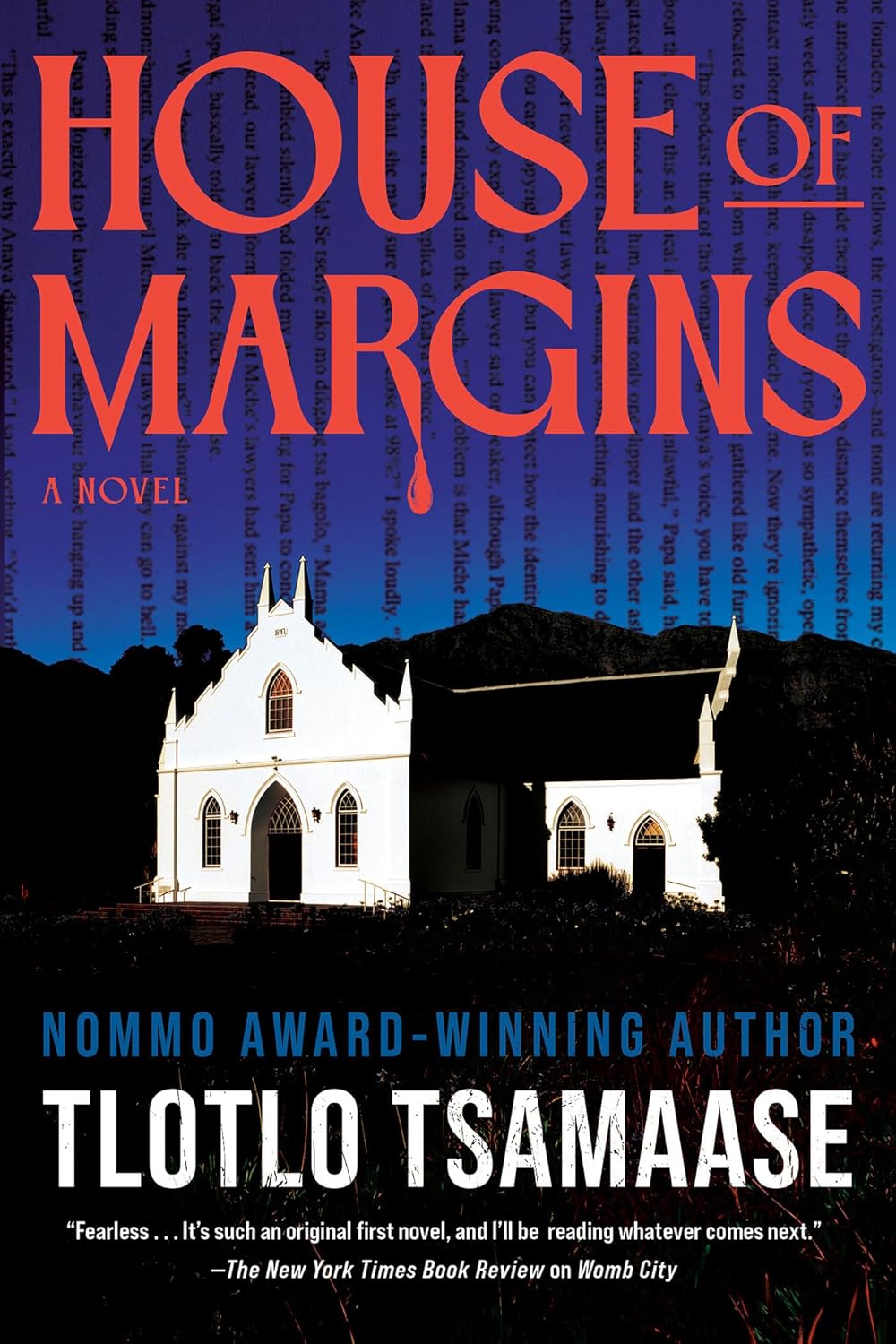
This year I’ve been increasingly drawn to horror novels set around the world, including African horror in particular. House of Margins by Tlotlo Tsamaase piqued…
The Girl with the Louding Voice
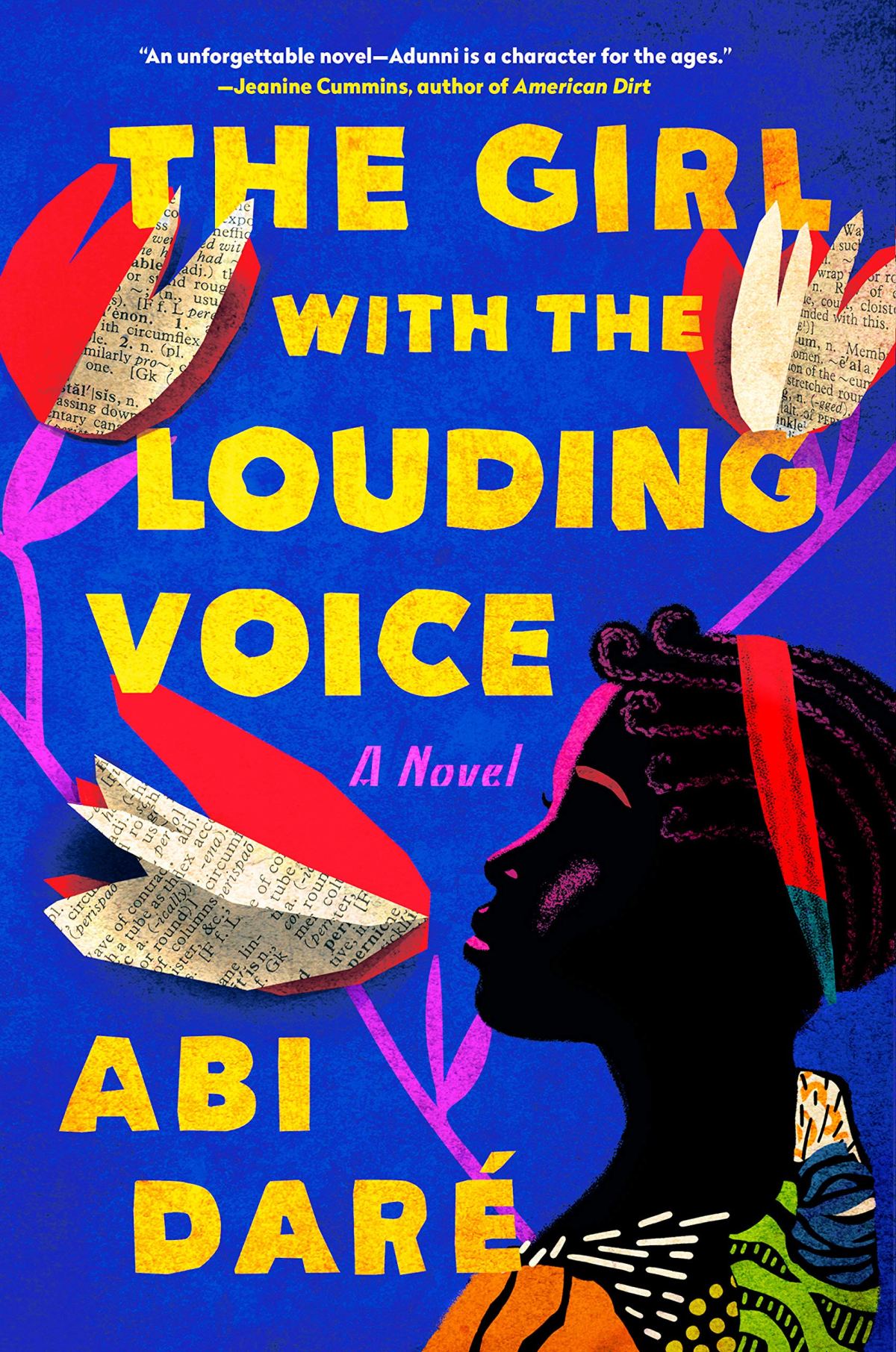
The Girl with the Louding Voice – the debut novel from Abi Daré – was one of my most anticipated books of winter 2020, and…
Similar Books on My TBR

Discover more from Amanda's Book Corner
Subscribe to get the latest posts sent to your email.


Footnotes